
Residencies
Residencies
These residencies will support the development and co-creation of new artworks and cultural initiatives in collaboration with local communities. By fostering site-specific practices and dialogue, artists and creative professionals will explore sustainable living, community resilience, and climate adaptation rooted in Mediterranean environments and knowledge systems.
Residencies
Duncan Dance Research Centre (DDRC)
Athens, Greece

Residency Dates: 6 October – 1 November 2025
Exposition Dates: April 2026
Artists selected for the residency: Garance Maurer and Annalisa Zegna – Find out more about the artists
THE RESIDENCY HOST: Duncan Dance Research Centre (DDRC)
The residency will be hosted at the Duncan Dance Research Center (DDRC) in Athens, built in 1903 by Isadora & Raymond Duncan. The founders of DDRC were advocates of simple living and of the use and consumption of locally produced goods. Today we are inspired by these principles to explore alternatives through artistic practices that favor conservation, reuse, or repurposing of materials and resources in order to tackle the environmental and social challenges of the climate crisis, denial and alienation. Adjacent to the historic house, a wild garden – initiated in 2021- overlooking the Saronic Sea hosts our ongoing experiment on sustaining institutions, individuals, communities and ecosystems through art and collaboration.
THE RESIDENCY PRODUCER: Delta Pi (Athens, Greece)
Delta Pi is an internationally oriented cultural production and arts management organization dedicated to artistic creation, cultural exchange, and sustainability. Since 2006, it has produced and toured over 200 works globally, collaborating with artists, institutions, and stakeholders. Its mission centers on enabling artistic creation, developing interdisciplinary projects, and fostering social resilience through impactful programs. By working with nonprofits and public institutions, Delta Pi strengthens cultural accessibility, artistic innovation, and social bonds, ensuring a lasting impact in the arts.


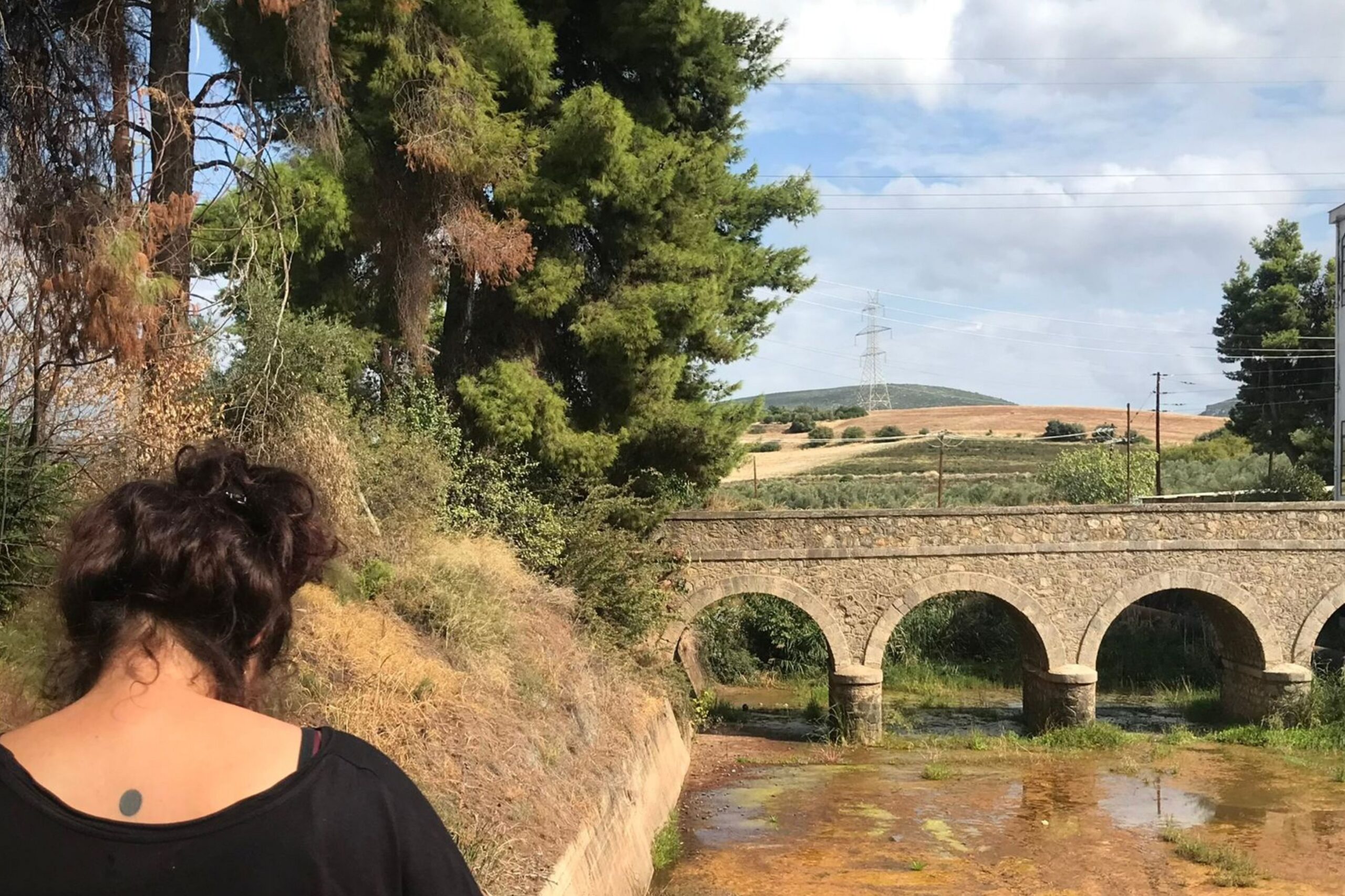
During a month-long residency in Athens, artists Annalisa Zegna and Garance Maurer embarked on an exploration of the landscapes, communities, and ecosystems marked by climate change in Greece. Over four weeks, they traveled across the country, engaging with scientists, artisans, activists, and local residents.
They traced pathways of water and loss, visited the drying Lake Mornos that sustains Attica, observed burned landscapes in Chios and Attica affected by recent wildfires, and witnessed ongoing efforts of regeneration and resilience.
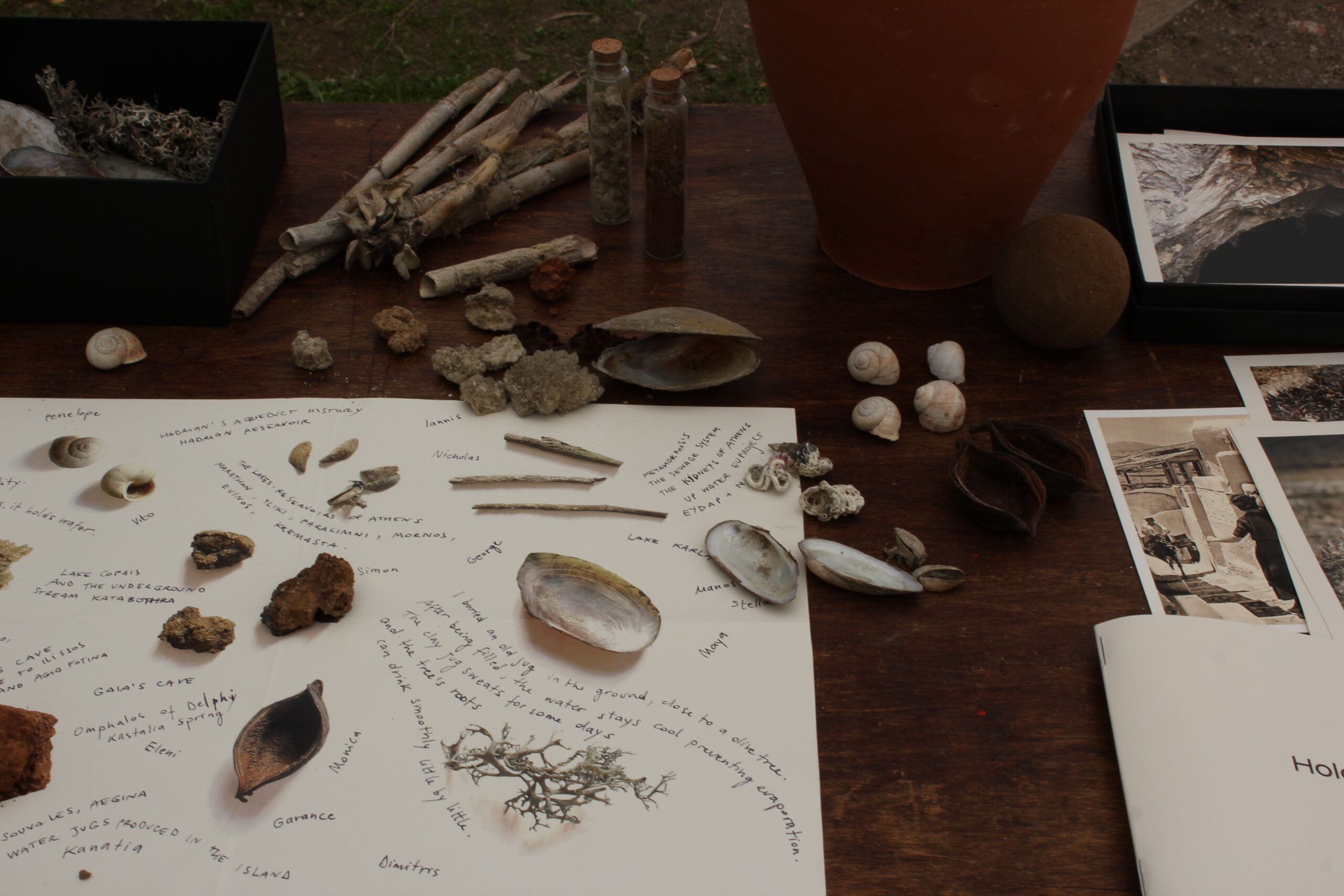
Their methodology intertwined traditional ecological knowledge — from the craft of felting wool to site-specific studies in fragile environments — mapping the flow of water, the scars of fire, and the human gestures that connect people, land, and memory. Through this process, they observed the tangible effects of climate stress on both land and communities, alongside the practices of care, resilience, and imagination that arise in response.
On Friday, 31 October, Annalisa and Garance presented their artistic findings in the gardens of the Duncan Dance Research Center in Athens. They transformed the space into a living archive — a forum for data collection, movement, reflection, and attunement to the rhythms of a changing Mediterranean.
These traces form the foundation of an ongoing inquiry that will continue to evolve towards their upcoming exhibition in April 2026.
Photo credits: Garance Maurer, Annalisa Zegna, Mauro Diciocia, Stella Rizou






Residencies
Gardens of the Future
Nicosia, Cyprus

Residency Dates: 5 November – 4 December 2025
Exposition Dates: May 2026
Artists selected for the residency: Christina Zampoulaki and Caterina Miralles – Find out more about the artists
THE RESIDENCY HOST: Gardens of the Future
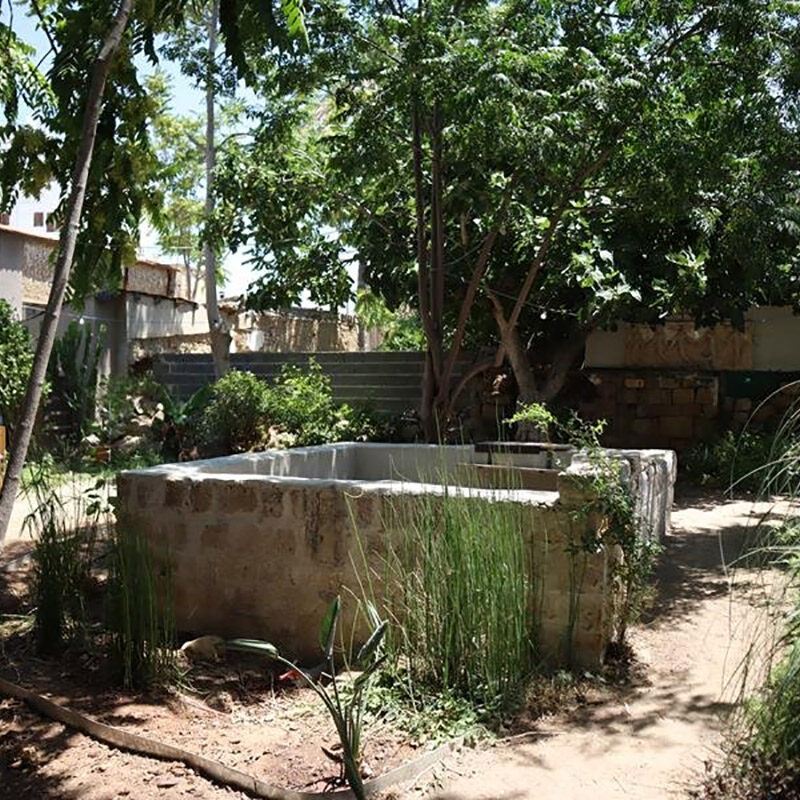
The residency will be hosted at our local community garden partner Gardens of the Future in the historic centre of Nicosia, within the Venetian Walled City. Accessed through a network of narrow streets, the Gardens of the Future are housed in abandoned buildings, a legacy of the 1974 Turkish invasion. The Gardens, the initiative of architect Anastasia Christou and a collective of artists, architects, anthropologists, innovators and cultural actors (including D6EU Co-Director, Argyro Toumazou) make use of the ‘secret’ gardens, unseen from the street, at the centre of a number of heritage-town houses.
Full of character, warmth and innovation it is a meeting place for established and newly arrived local communities. A place to garden, to talk, to eat. A place to host, to share and to consider responses to the growing problem of the rising temperatures. In 2022, The Gardens of the Future were awarded the New European Bauhaus Community award for their work around innovative community responses to the climate crisis.
THE RESIDENCY PRODUCER: D6:EU (Nicosia, Cyprus)
D6:EU is a visual arts organisation based in Cyprus, developing new opportunities for artists and cultural collaborations in Cyprus, Europe and the Middle East. Together with an exceptional team and board, we collaborate with artists, cultural producers, heritage professionals, policy makers and communities to develop international programmes that encourage equity and social and environmental justice. This programme is underpinned by our values of equity, sustainability, curiosity and generosity.


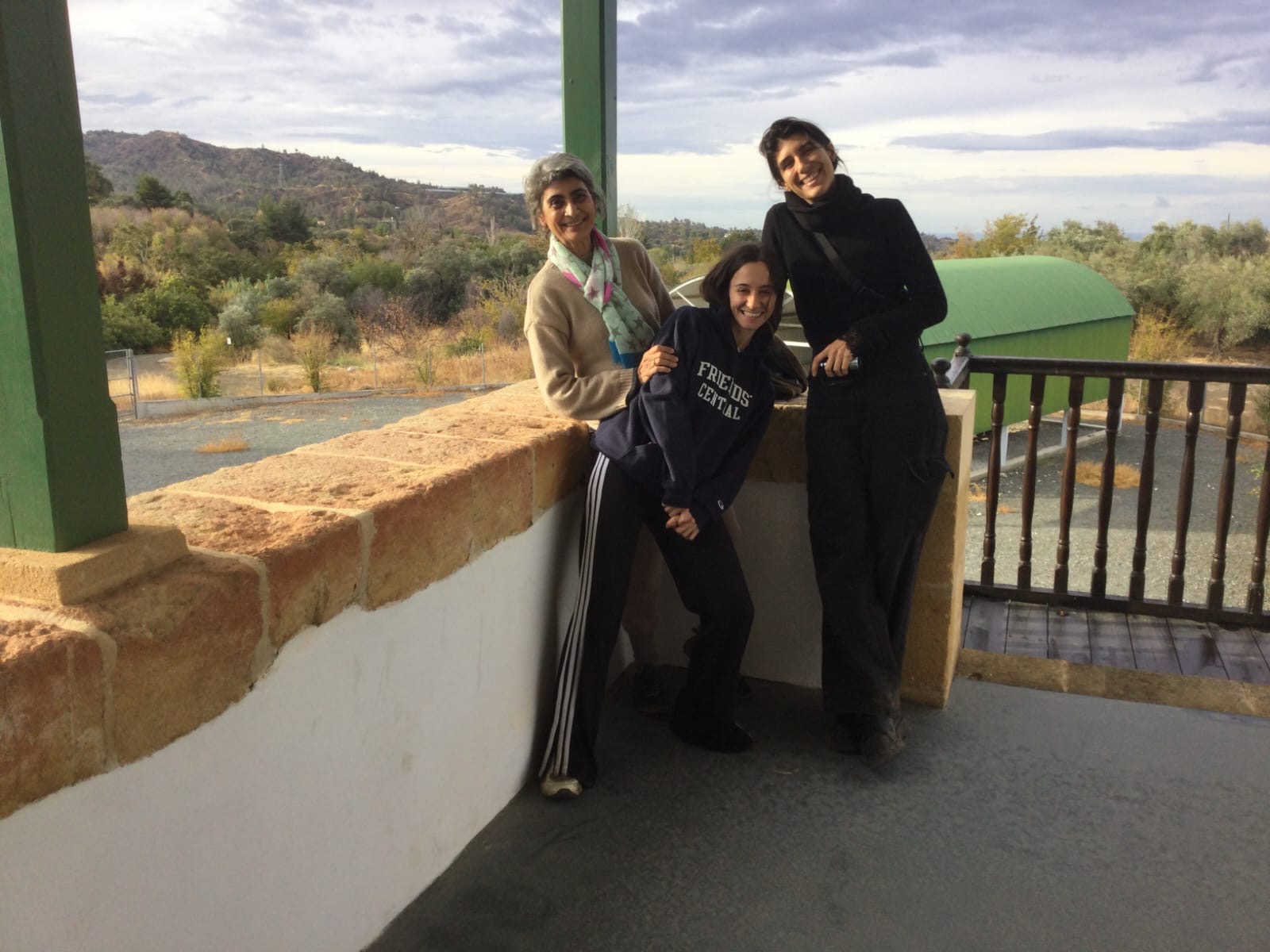
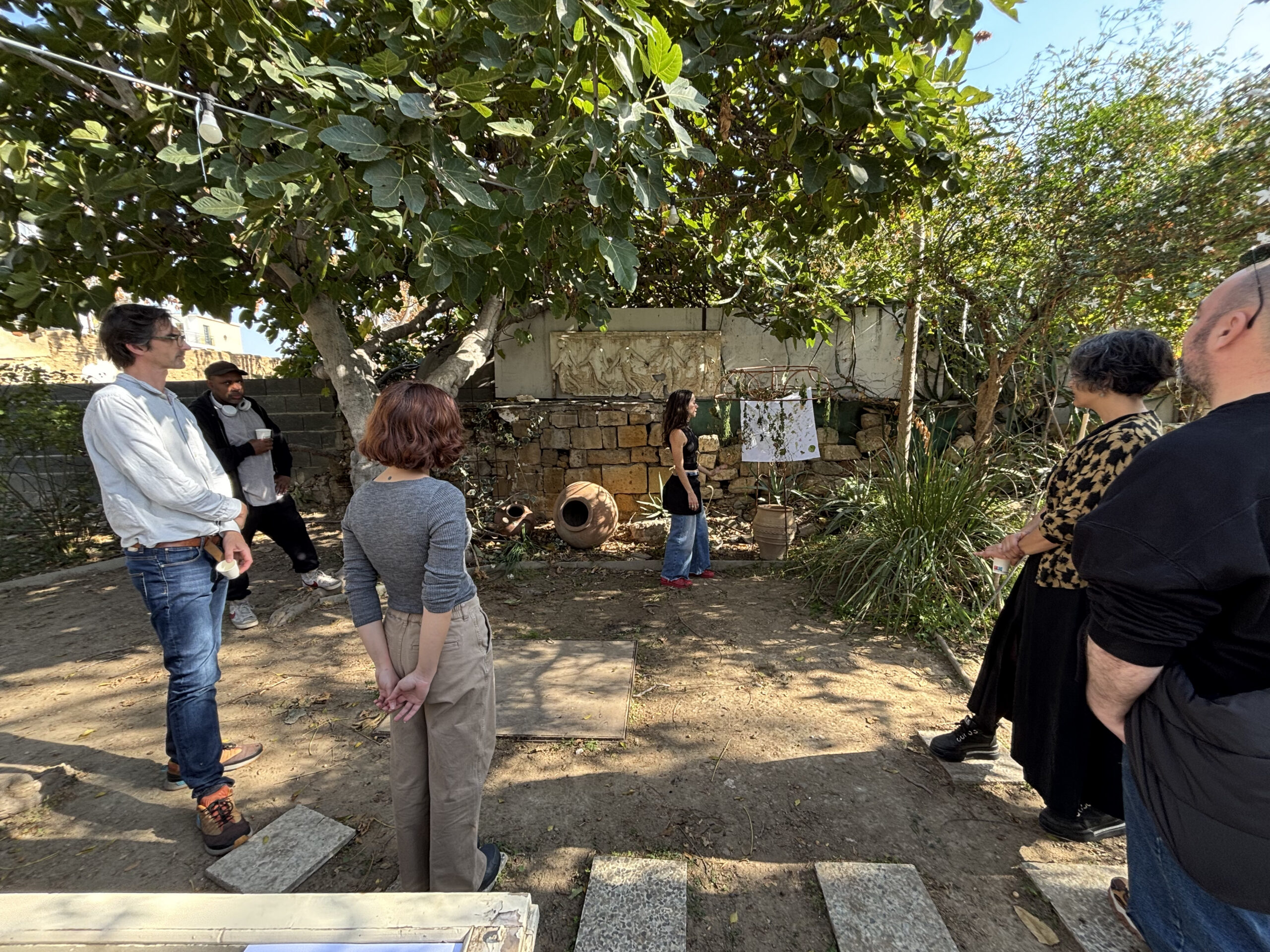
The MATCH residency in Nicosia concluded with a strong sense of continuity, shared learning, and artistic growth, reflecting the core aims of the joint residency programme. Hosted at the Gardens of the Future, resident artists Christina Zampoulaki and Caterina Miralles were supported through a structured programme of field visits, guided sessions, and opportunities for dialogue with local experts, community members, and environmental practitioners. This framework enabled the artists to engage deeply with Cyprus’s cultural, ecological, and post-extractive landscapes while developing their research for Earth-bound Exercises.
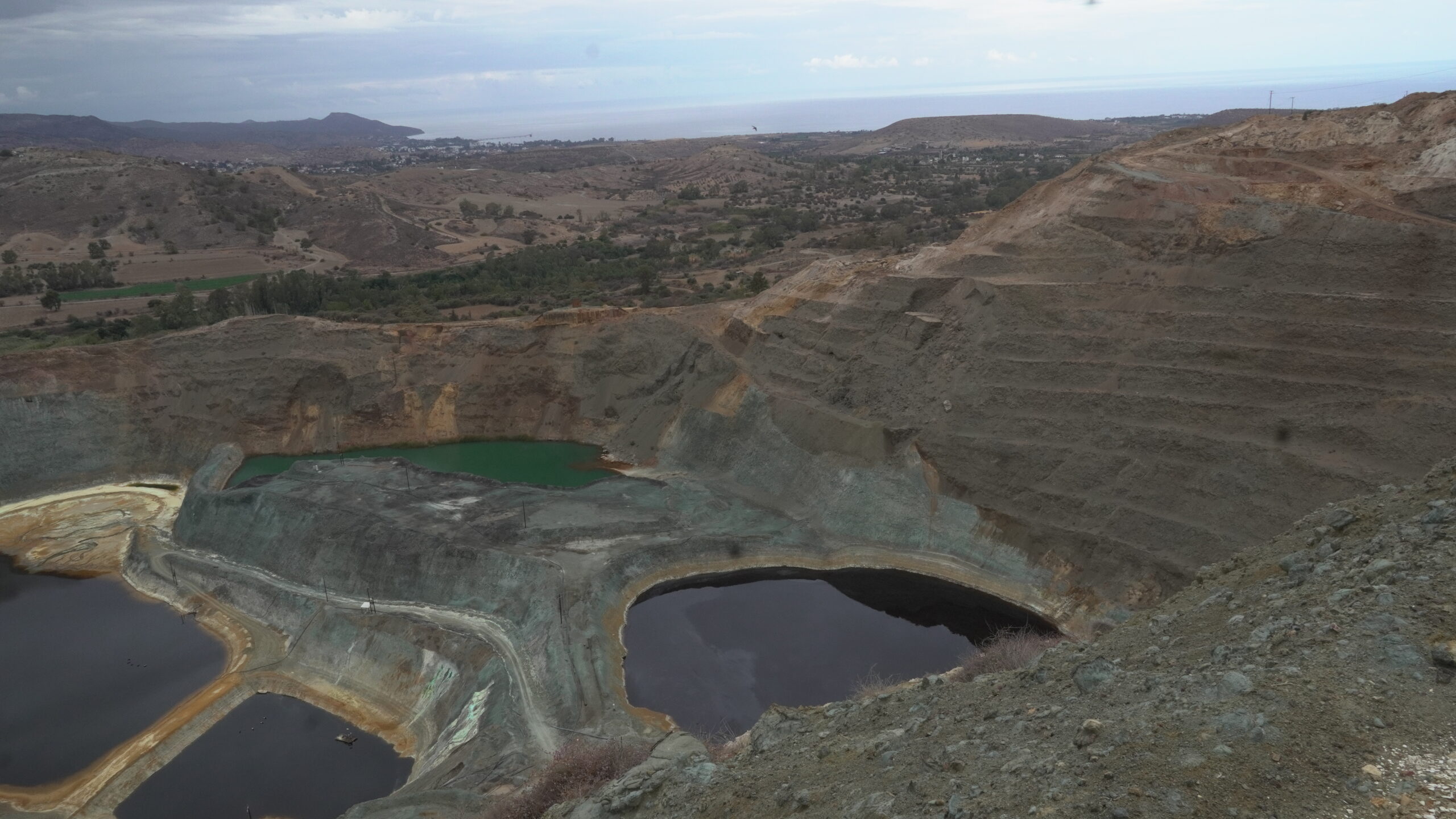
Throughout the residency, the artists followed a methodology grounded in observation, situated research, and cross-disciplinary exchange. Their site visit to Skouriotissa Mine, along with explorations of the adjacent forests and agricultural land, formed a central component of their research. Combined with sessions at the Gardens and the insights shared during the Scientific Espresso, these encounters helped shape the conceptual and material direction of their work.
Both artists used their time in Nicosia to refine the content of Earth-bound Exercises, a project linking the terrain of the Gardens with the landscape surrounding the Hellenic Copper Mines. Their work incorporated field recording, point-cloud mapping, organism-based research, and the development of experimental water-collection devices. These processes supported their aim to propose non-extractive, attentive, and ecologically sensitive ways of engaging with land.
The residency culminated in a public Open Studio session, where Christina and Caterina shared their in-progress research with local audiences. The event welcomed participants from diverse backgrounds, including cultural practitioners, students, neighbours, and environmental stakeholders. The discussions generated during this session offered valuable feedback, raised new questions, and reinforced the importance of embedding artistic research within community-oriented, participatory frameworks.
Overall, the residency fostered meaningful exchanges between the artists, the hosting team, and the public. Feedback highlighted the value of direct engagement with local landscapes and the interdisciplinary nature of the programme. Both artists expressed that the residency provided the time, space, and context needed to develop their ideas and to situate their work within Cyprus’s wider environmental and socio-political narratives. The public response underscored the relevance of the themes explored—ecology, post-extractive futures, food systems, and lived environments—and affirmed the impact of connecting artistic practice with local knowledge.




Residencies
La Friche la Belle de Mai
Marseille, France

Residency Dates: 26 January – 26 February 2026
Exposition Dates: June 2026
Artists selected for the residency: Swati Devichi and Lizzie Reid – Find out more about the artists
THE RESIDENCY PRODUCER AND HOST: La Friche (Marseilles, France)
THE RESIDENCY HOST: Friche la Belle de Mai – Jardins des Rails
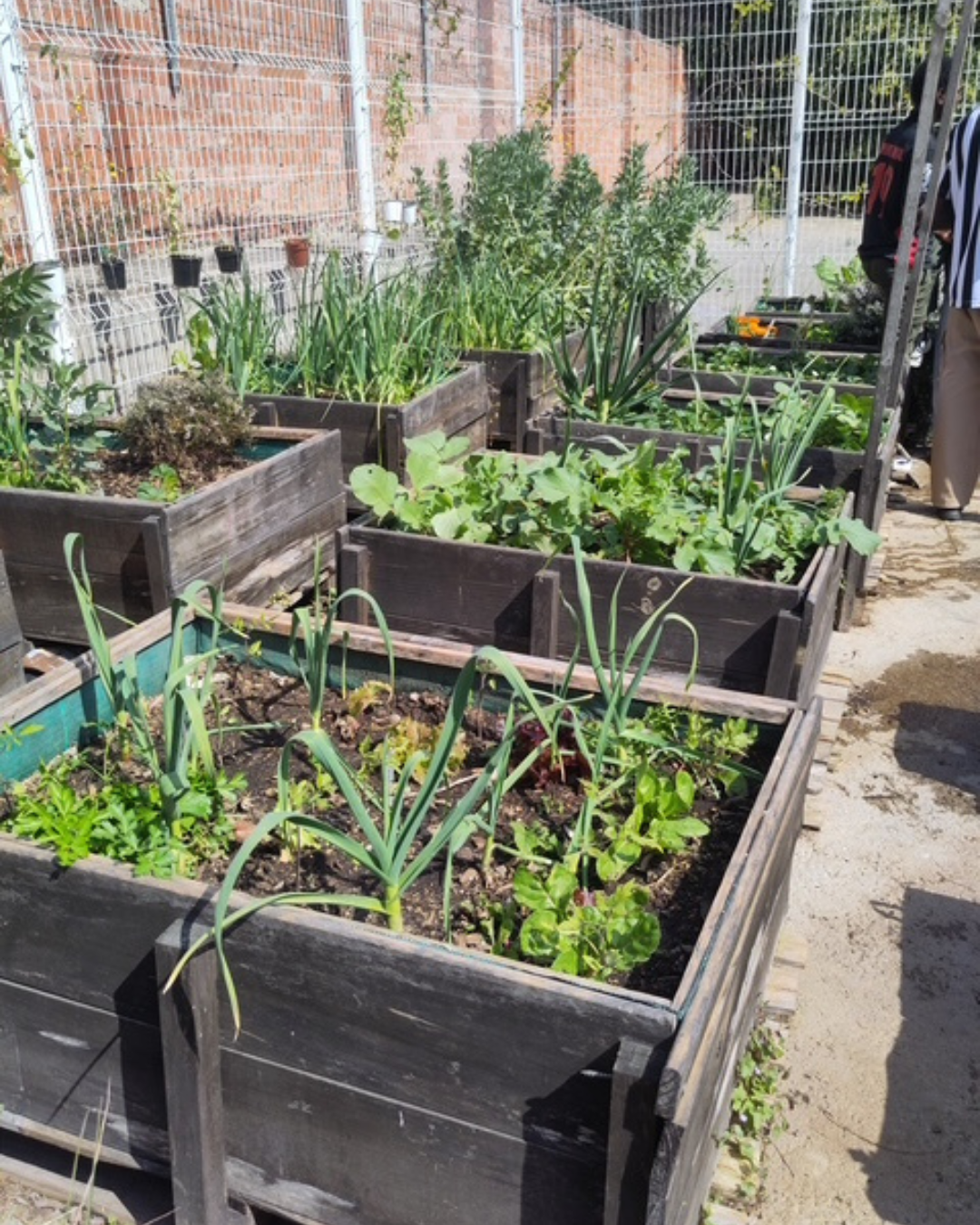
The residency will be hosted at « The Jardins des rails » a community garden located at the Friche la Belle de Mai. This garden is shared between inhabitants of la Belle de Mai neighborhodd.
This part of La Friche is divided into plots for experimenting with vegetable and ornamental crops, as well as all forms of urban gardening. You will also find a dry garden, containers dedicated to educational gardening, various planting pits, and a rock garden.
Whether they are local residents, students from the Gilles Vigneault school or the Belle de Mai middle school, members of the La Ruche Verte association, or students from the École Nationale Supérieure du Paysage, all these gardeners work this space to make this former industrial site more fertile.
THE RESIDENCY PRODUCER: La Friche la Belle de Mai (Marseille, France)
La Friche, in its prototypal form, arose in 1992 out of the new models for urban cultural interaction in the public interest, now known as “third places.” This unique, reinvented space brings together artistic activity, modes of urban transformation, real connections to the region, and dynamic cooperation.
La Friche is both a workspace for 70 resident organizations (400 artists, producers, and employees work here every day), and a cross-disciplinary venue (each year, over 600 artistic events are made available to the public). Every year, 450,000 visitors come to this 45,000 square-meter public space housing five performance spaces, a community garden, a playground and athletic space, a restaurant, bookstore, daycare, some 2,400 square meters of exhibition space, an 8,000 square-meter rooftop, and a training center.
www.lafriche.org | Instagram | Facebook
During the residency Lizzie Reid aims to create a collaborative artwork based on the knowledge gathered during the residency, ideally resulting in a piece that can live on in the green space in some form. Swati Devichi aims to foster shared authorship, regenerative imagination, and a deeper sense of care for everyday urban spaces. The Jardin des Rails offers fertile ground for using photography as a tool for archiving, justice, and hopeful transformation.


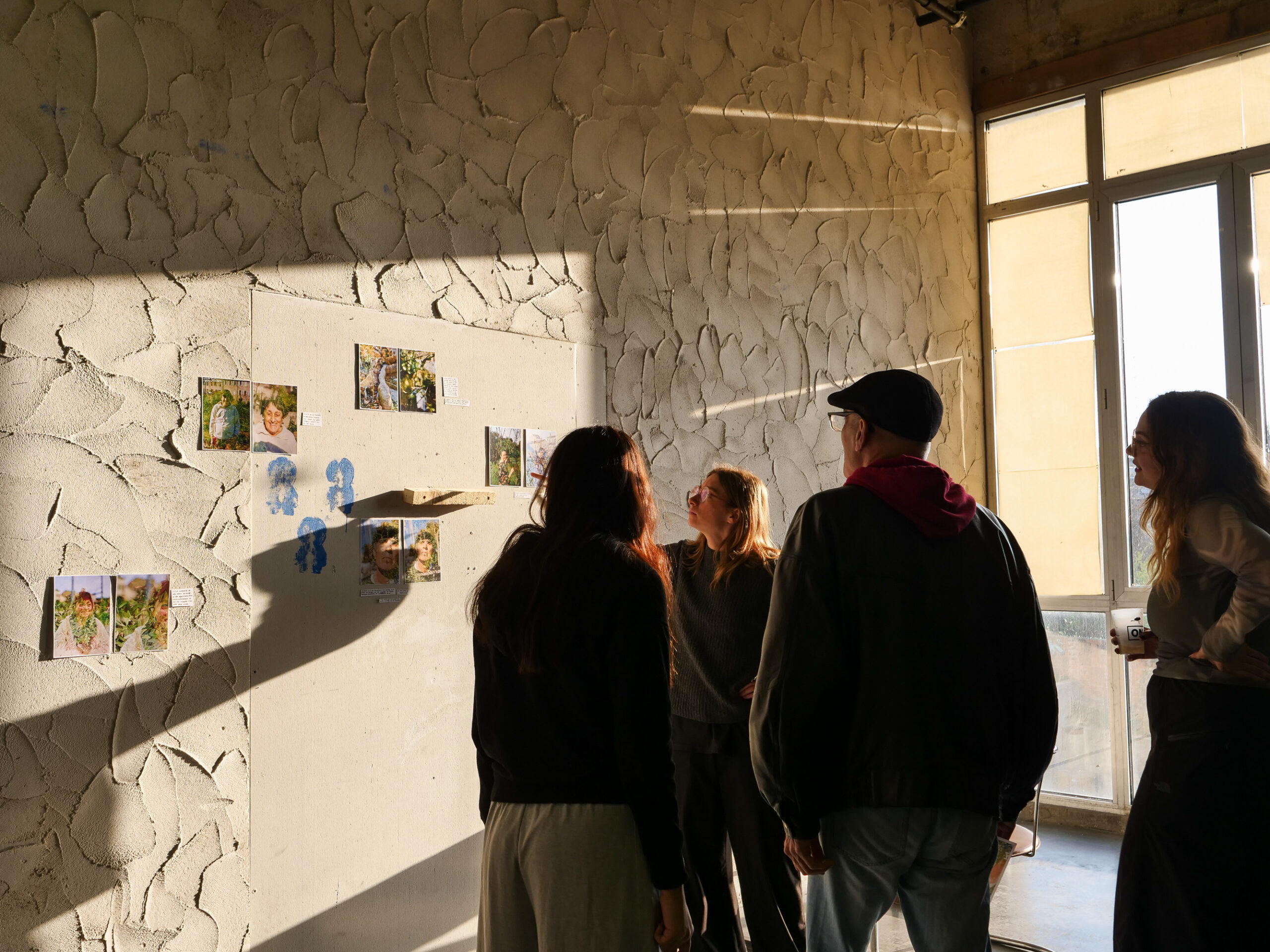
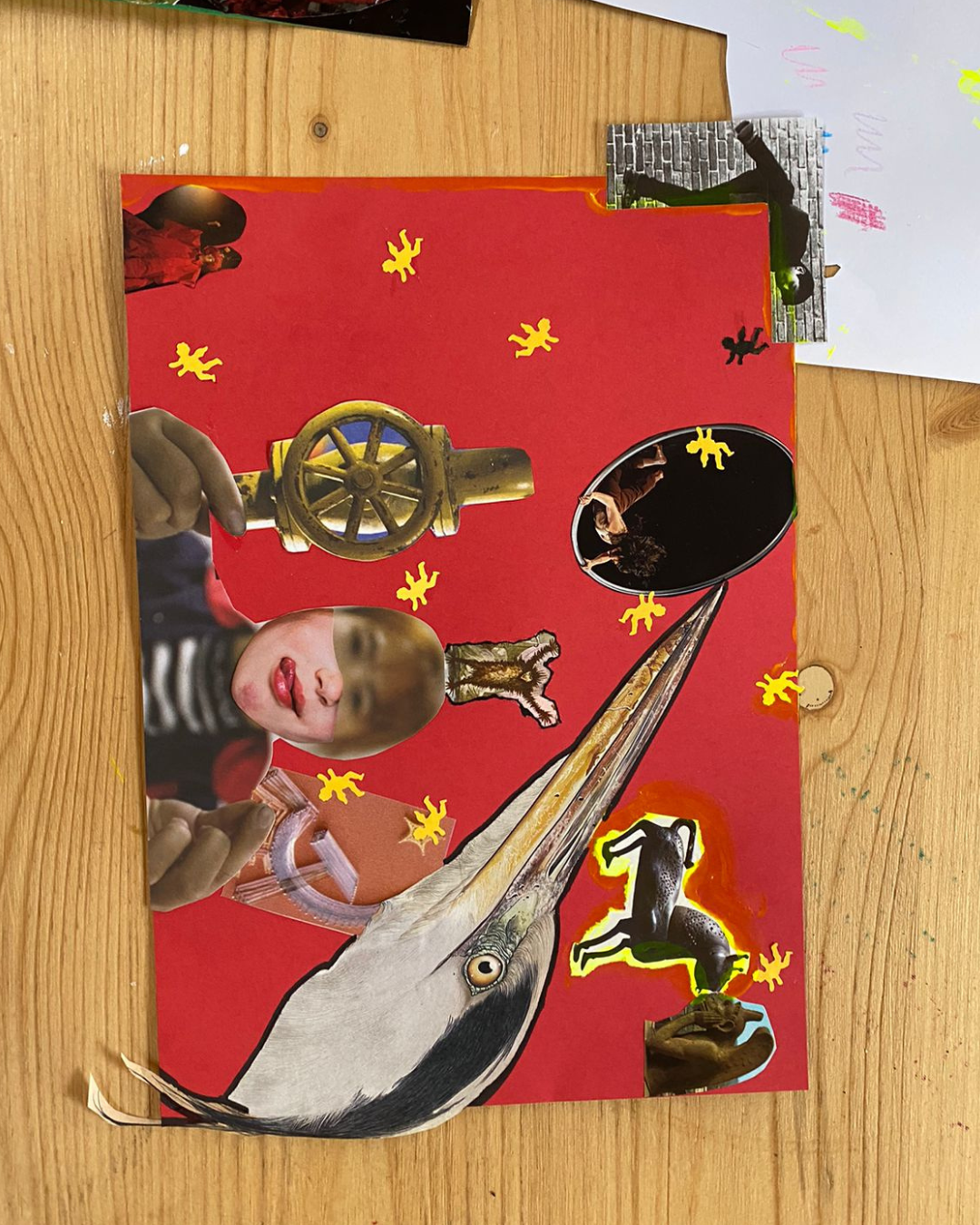
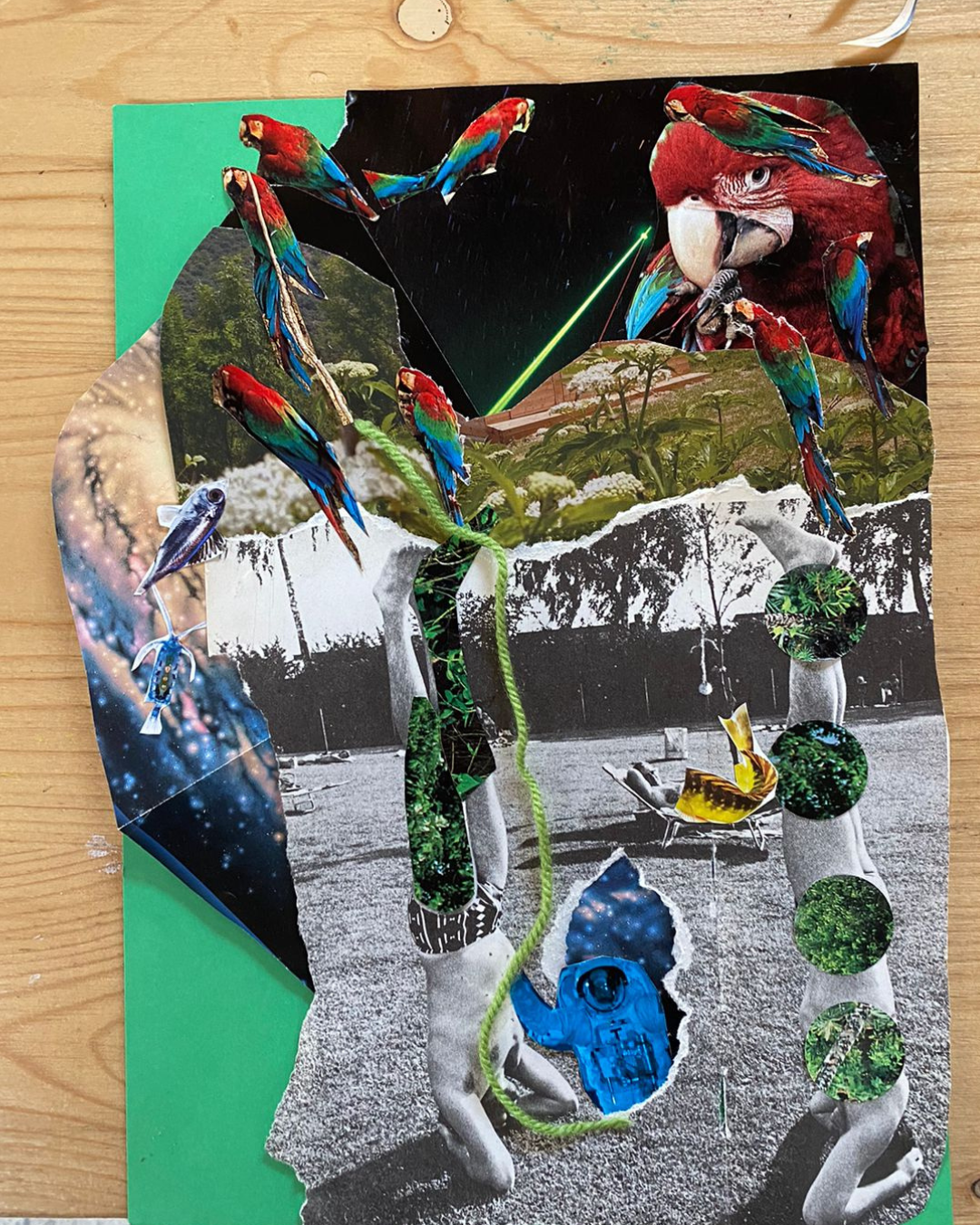
During the residency in Marseille Swati Devichi developed a body of work rooted in the social and symbolic history of La Belle de Mai. The core idea was to question and recompose stereotypical female figures associated with the neighborhood by listening to the narratives and representations shared by its residents. This research led to the creation of a collage bringing together multiple imagined and remembered feminine identities, shaped by both personal memories and collective storytelling.
Swati actively engaged with local associations, participating in everyday activities that allowed lasting relationships to emerge. Through these encounters, she collected intimate stories about residents’ emotional ties to local vegetation: spontaneous urban nature, garden trees providing summer shade, home-grown vegetables, or aromatic herbs evoking youthful loves. These narratives were woven into photographic portraits using a double-exposure analogue photography process, merging faces and plant forms.
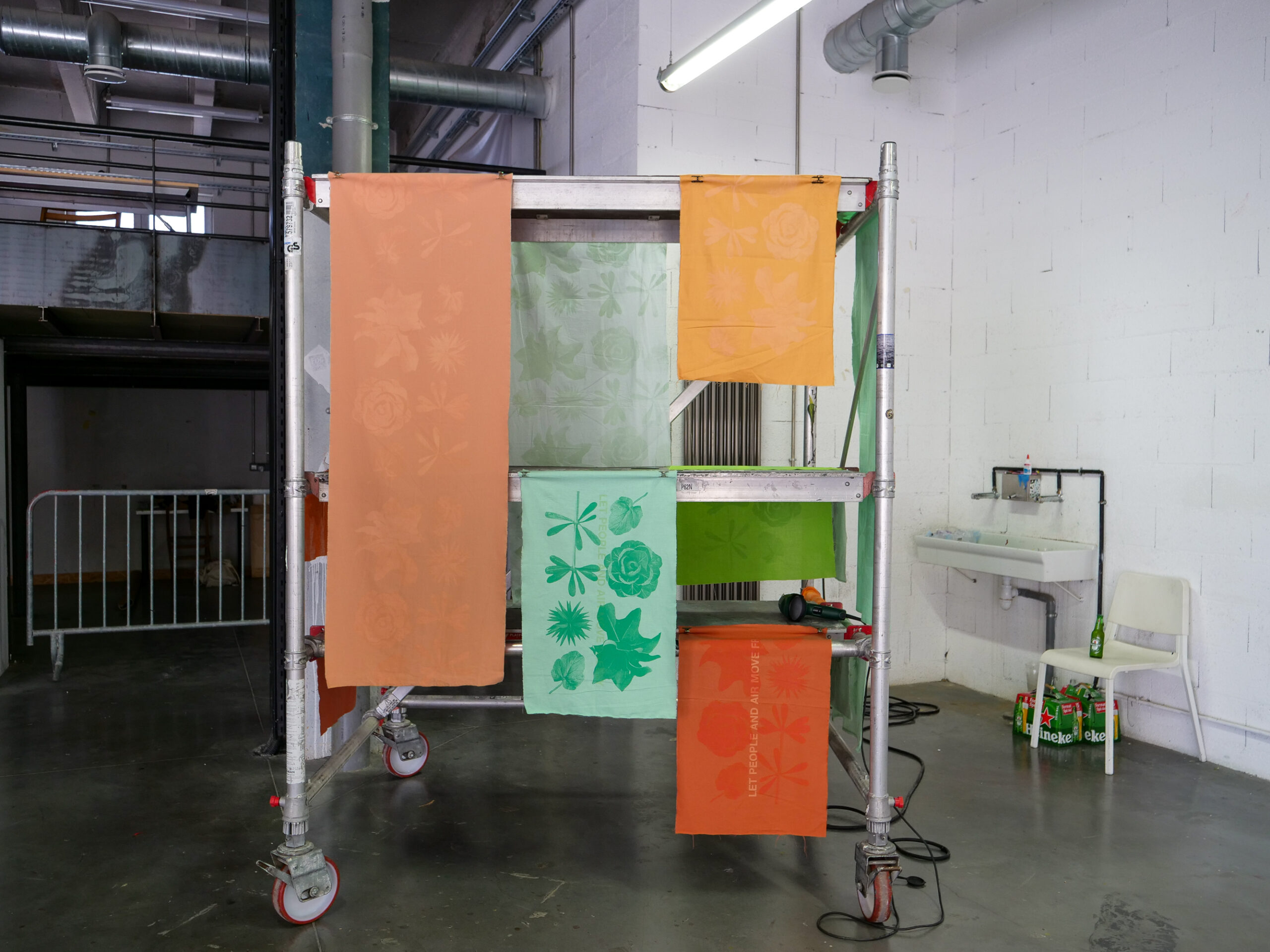
Lizzie Reid has experimented with screen-printing on fabric using thermochromic ink, working with Arthur at the Ultraviolet Atelier. The idea is to explore creating textile banners that could intervene in a space or become shade structures, revealing images or statements when it gets to certain temperatures. The prints currently feature plants from Jardin des Rails – which remained closed to the artists – imagining ways of bringing this nature into the more concrete areas of La Friche. Alongside this, she produced printed works that make visible the hidden dynamics of heat – typographic posters highlighting the tension of La Friche as a space both too hot to work and too hot to play, and diagrammatic mark-making visualising how skin, leaves, and concrete absorb and release heat, inspired by street markings in Marseille. Lastly, she also produced a small zine called Keeping our Cities Porous in Rising Heat, bringing together her research from the last month on how themes of opening and closing shape responses to extreme heat in urban spaces.
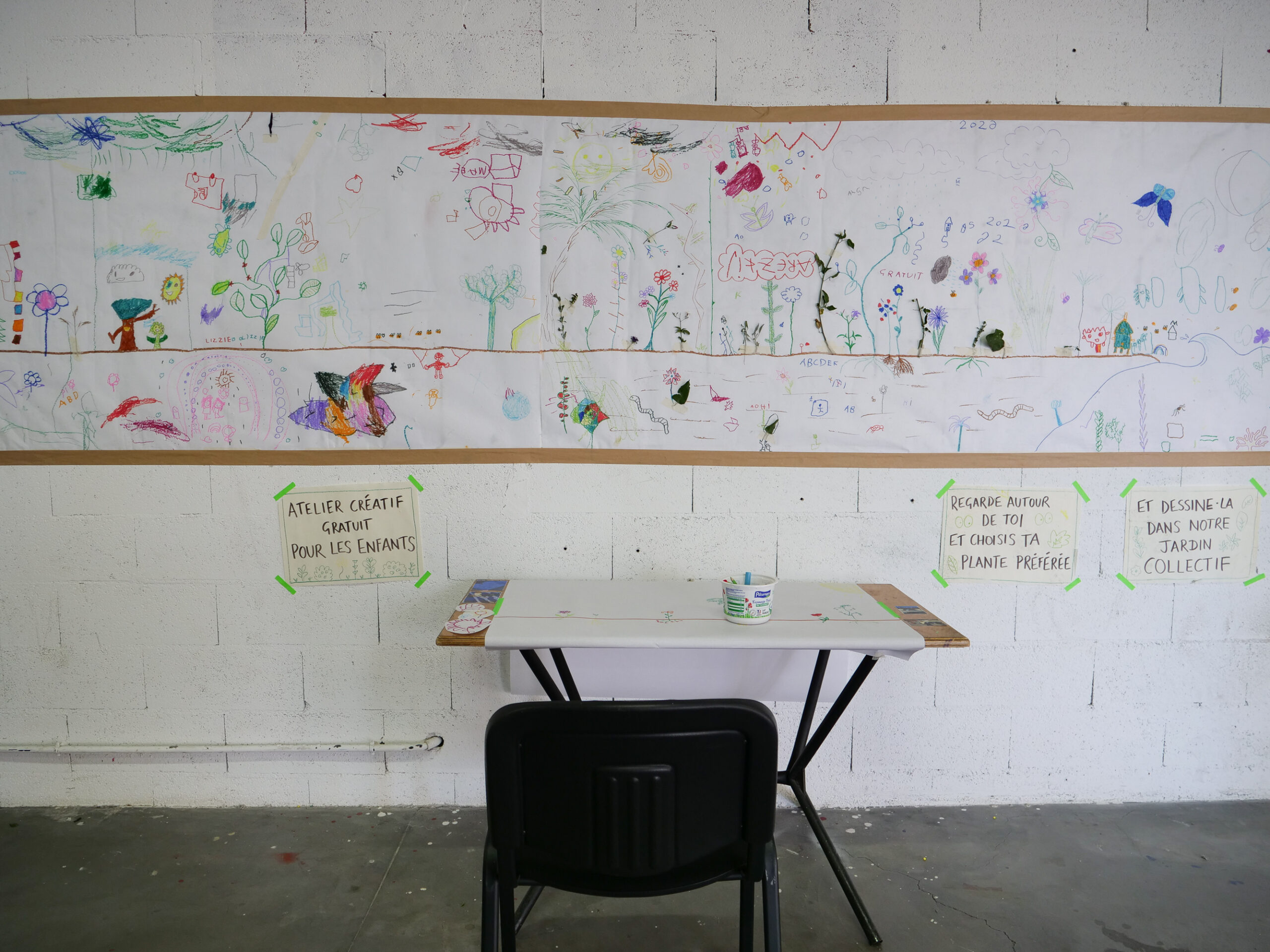
Together, the artists ran an informal creative activity at the local playground, inviting children to look around for their favourite plants and draw them in a collective garden on a large scroll of paper. They will continue to develop this at the open studio, inviting visitors to contribute further.
The residency concluded with a public Open Studio, where the artists shared their work-in-progress with local audiences and professionals of art.




Residencies
La Escocesa
Barcelona, Spain
Residency Dates: 1 – 31 March 2026
Exposition Dates: September 2026
Artists selected for the residency: Hannah Taylor and Nafsika Hadjichristou – Find out more about the artists
THE RESIDENCY PRODUCER AND HOST: La Escocesa (Barcelona, Spain)
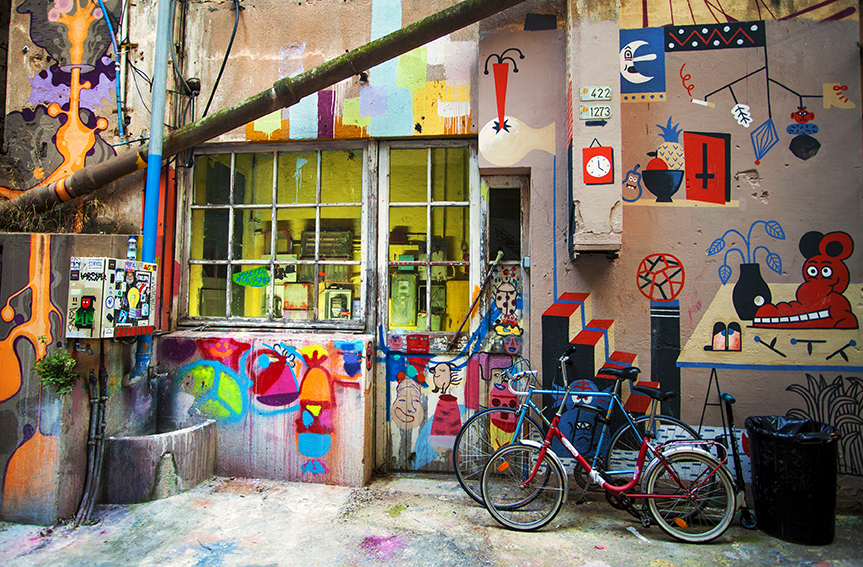
La Escocesa is an artist-led contemporary visual arts organisation and residency space managed collectively through the artists’ association ‘Associació d’Idees EMA’. It supports artists and cultural agents, offering workspaces and resources for the development of their projects. As a space inhabited by the artistic community, La Escocesa focuses not only on the production and creation of works, but also on the common generation of knowledge, networks of care and new ways of building and practising cultural institutions.
As a feminist space, La Escocesa’s values arise from an intersectional, emancipatory, cooperative and inclusive position, which advocates for sustainability, experimentation, collaboration and the development of community artistic projects. This understanding of the institution also translates into the intention to generate sustained collaborative networks with neighbour institutions such as the institute, the health center, and the municipal civic center in Poblenou, the industrial zone where it is located.
https://laescocesa.org/en | Instagram | Facebook
This residency welcomes Hannah Taylor and Nafsika Hadjichristou, two artists whose practices intertwine art, craft, ecology, and social inquiry.
Hannah Rebekah Taylor (1993) is a grower, dyer and artist. She was born in the UK and spent her childhood growing up in South Africa and later rural England. She studied Anthropology at Sussex University. She has lived and worked in Paris, London, and Marseille where she now resides in the Belle de Mai neighbourhood. Her work draws from her cross cultural upbringing and her Anthropology studies, exploring story telling and human connection to land, environment and found materials, specifically in the context of the climate crisis. Hannah works predominantly with reclaimed and foraged materials, natural dyes and pigments. She has previously collaborated with ‘The School of Mutants’ collective. Her work has been shown in London, Kaunas, Ljubljana and Marseille.
Nafsika Hadjichristou is a visual artist from Nicosia, Cyprus, working with photography, film, and experimental storytelling. Rooted in slowness, memory, and poetic observation, her work weaves together images, writing, scrapbooking, animation, and sound into intimate, tactile reflections on land, resistance, and belonging. With a background in documentary and a deep commitment to collaborative and participatory practice, she has worked locally in her country, as well as in solidarity with communities in Latin America, exploring how storytelling can resist erasure and nurture social change. She sees artistic practice as a space for reflection, community, emphathy and connection— between personal diary, archive, and collective memory. She holds a BSc in Film and Television Production from the University of York.
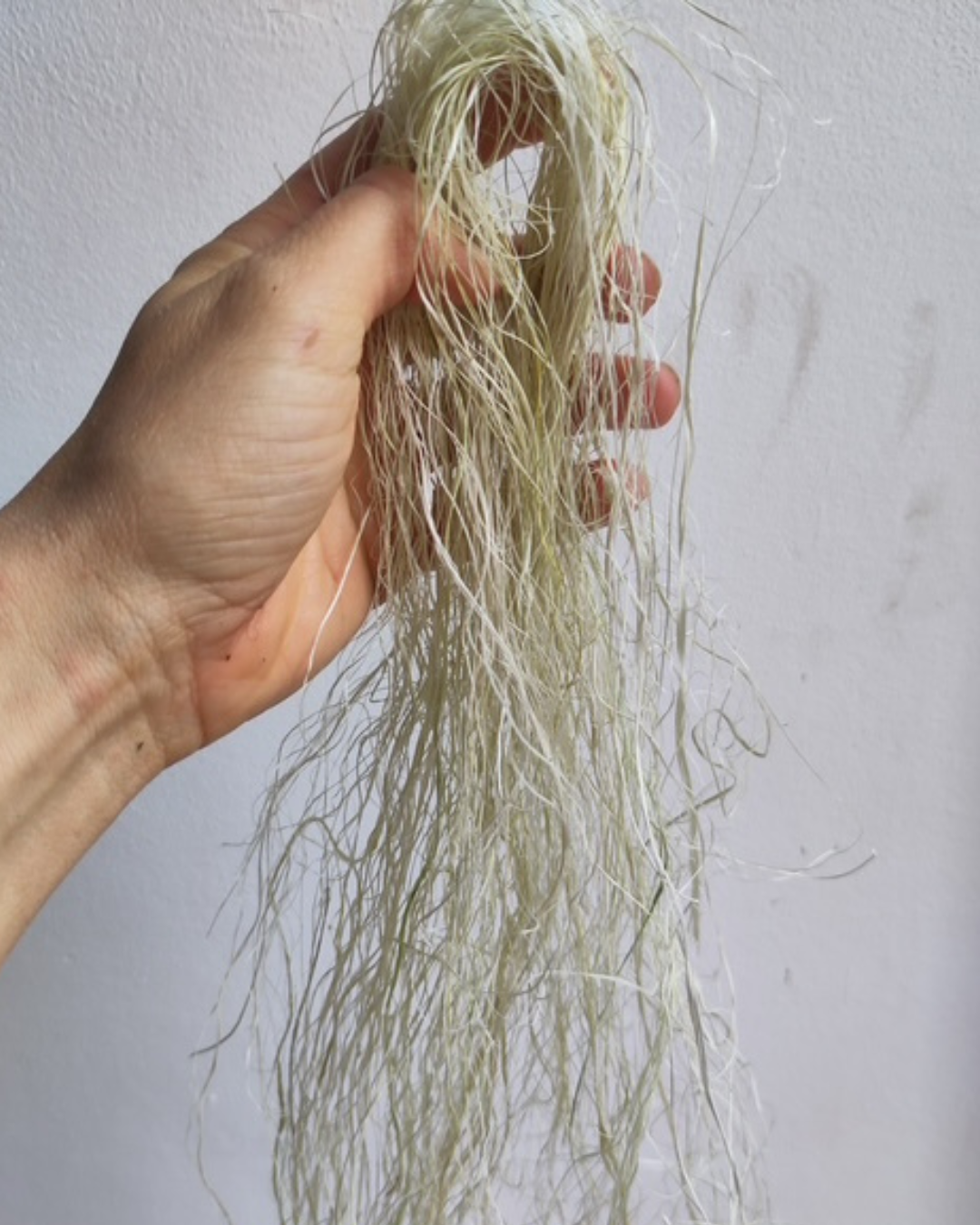
For her residency at La Escocesa, Hannah wants to experiment and play with locally sourced materials—weaving, painting, assembling, and dyeing—as a way of exploring how we build connections with the environments in which we live.
For her part, Nafsika is interested in exploring the idea of collapsology through a workshop in which people will create a collective collage aimed at imagining collapse or new possible futures.
During their month-long residency, the artists will be accompanied by Julia Soler, an art historian and permaculture expert who is part of the Mas La Sala cooperative in Catalonia. She will accompany their artistic processes and also connect them with the local farming community.


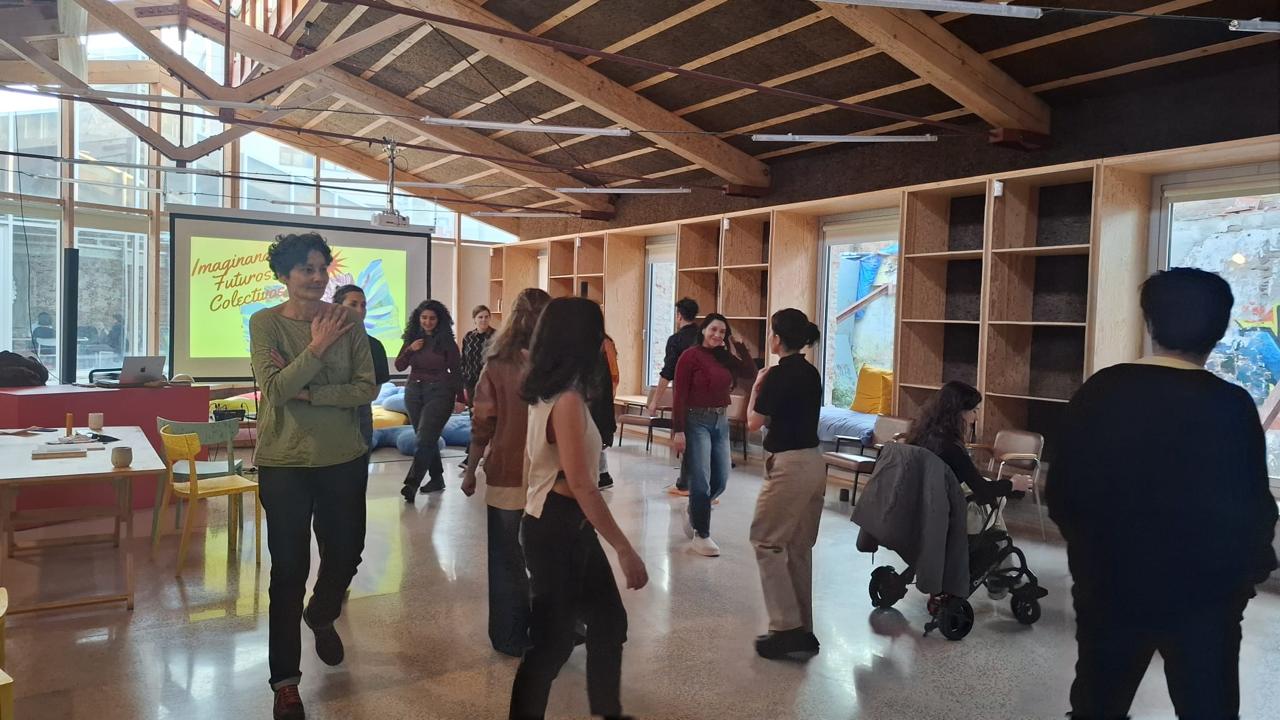
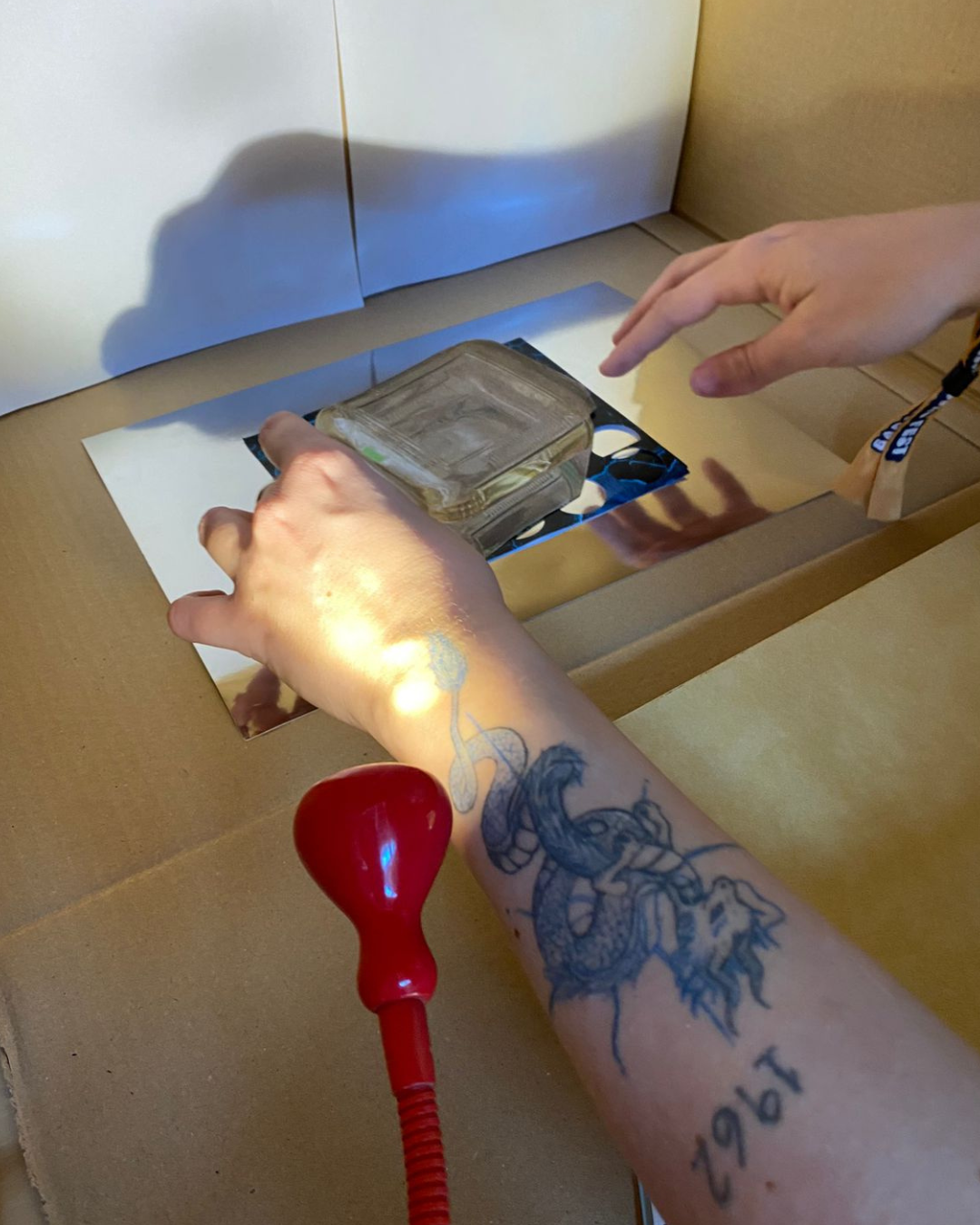
During her residency at La Escocesa, Nafsika Hadjichristou has been exploring how we can imagine collective futures beyond climate collapse through exercises of collective imagination, alongside engagement with living practices in the city of Barcelona. Moving between workshops and research, she has connected with social spaces and community gardens that experiment with alternative ways of living, creating, and repairing relationships with the world around us, in community. Through a series of workshops, she invited participants to reflect on their relationship with deep time and the earth, exploring different methods to activate collective imagination. The residency concluded with an experimental creative laboratory for stop-motion collage animation, bringing together participants from diverse backgrounds to collectively imagine and materialise possible futures. She is now working towards an audiovisual collage that weaves together imaginations and lived realities emerging from these shared experiences and conversations.
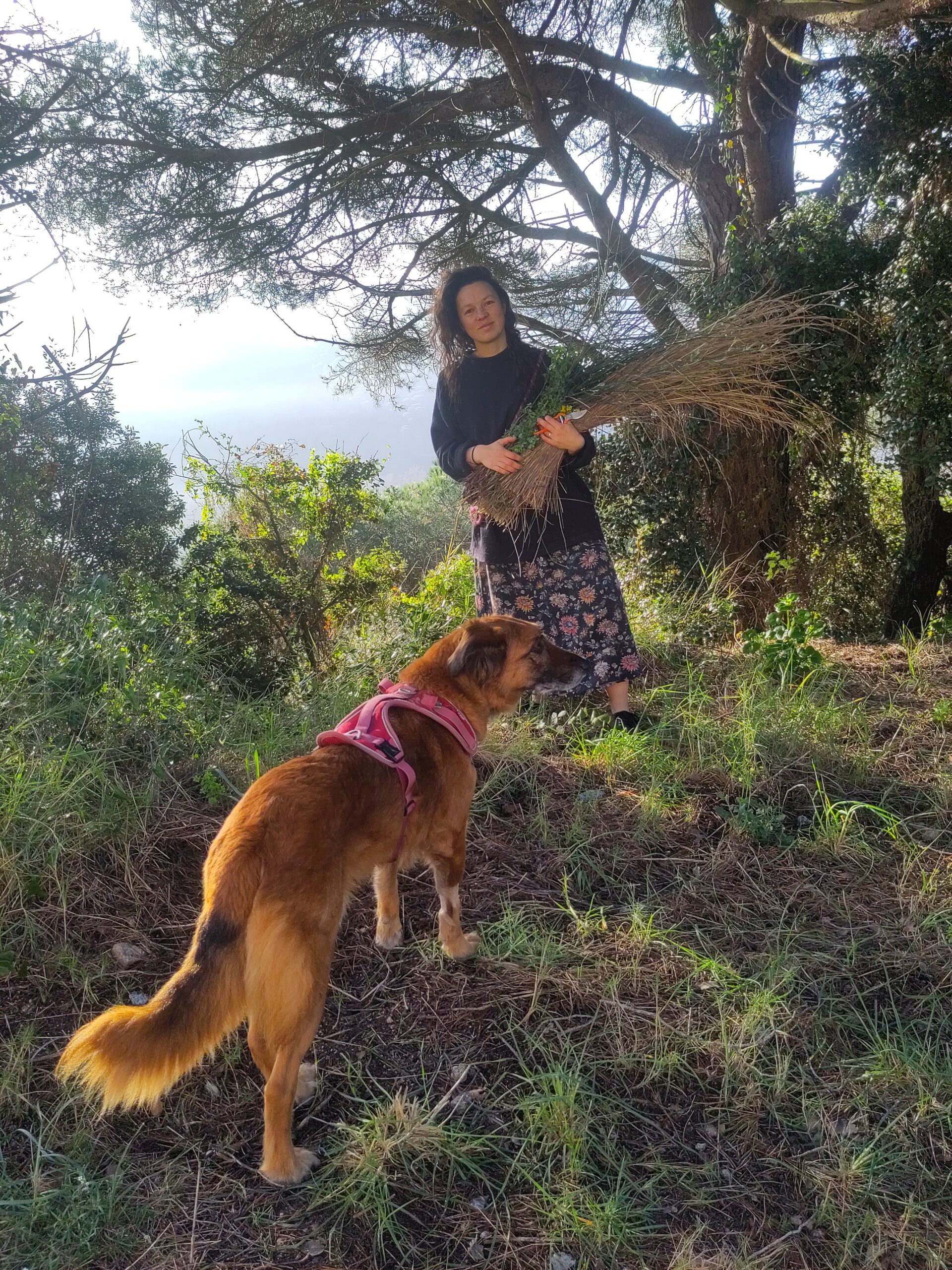
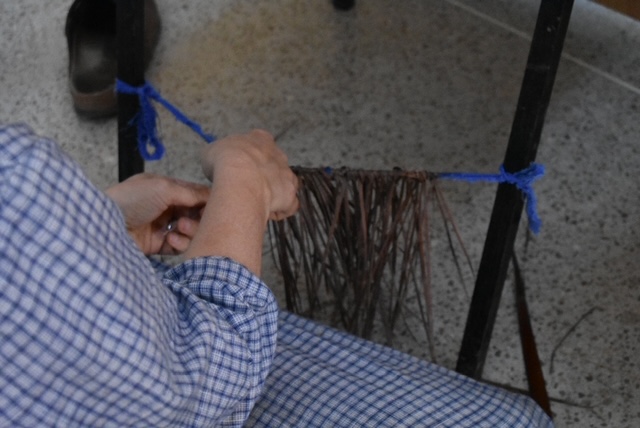
Hannah Taylor has focused on learning through direct engagement with the landscapes and materials found in Barcelona and the wider region. Through walks and informal gatherings she collected overlooked materials from marginal spaces or “Third Landscapes”, ecologically and culturally significant neglected spaces where many of the plants she works with grow. During the second part of the residency she volunteered with syntropic agriculture projects in the mountains and spent time at an urban garden run by intercultural growers. These encounters offered different perspectives on cultivation, ecological knowledge, and the ways communities adapt to changing environmental conditions, while also highlighting how shared practices of growing and tending can become forms of collective care. Another strand of the research involved exploring urban systems of reuse through contact with chatarreros, whose work recovering discarded metals and objects reveals a deep familiarity with the material flows of the city. Their activities suggest a form of urban foraging that operates within the infrastructures of waste and circulation, challenging dominant ideas about value and disposal. Her fieldwork is informed by anthropologist Tim Ingold’s understanding of knowledge as something that develops through what he calls an “education of attention” — a process of learning to notice, respond to, and work with the world through movement, practice, and skilled engagement with materials. Through making, and conversation, the project explores how these moments and locations can become sites for renewed relationships with materials, landscapes, and one another.








Residencies
K2 Urla Breathing Zone
Izmir, Turkey
Residency Dates: 9 May – 5 June 2026
Exposition Dates: November 2026
The fifth residency of the MATCH project, will take place from 9 May to 5 June at K2 Urla Breathing Zone, Izmir, Türkiye. This residency welcomes Maya Aghniadis, known as Flugen, and Joana Amora, two artists whose practices intertwine sound, ecology, and participatory practices. The residency will conclude with a public exposition in November 2026, presenting the artists’ research and creative outcomes.
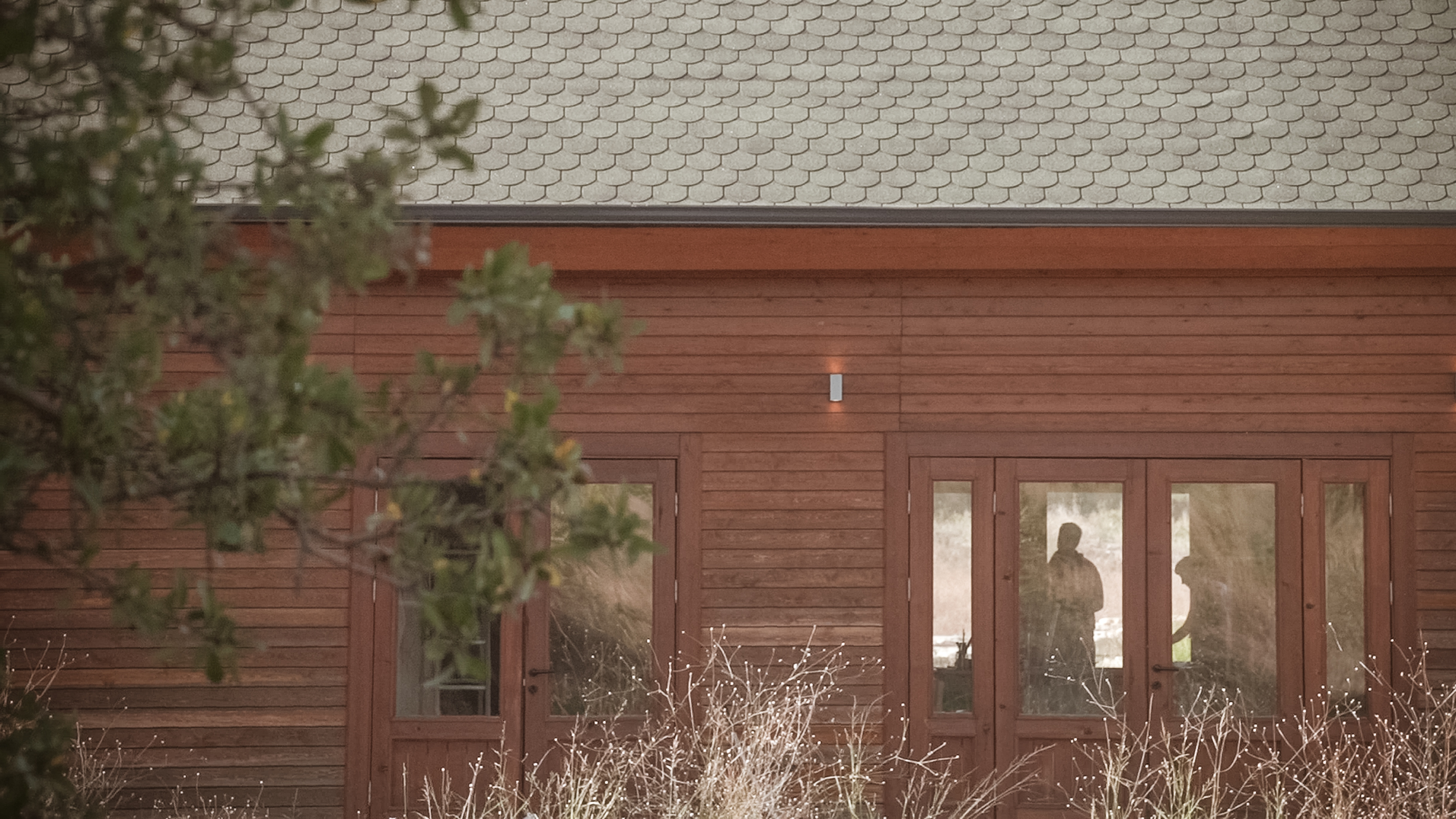
The residency will be hosted at K2 Urla Breathing Zone, an artist residency space set within a 45-acre forested site in Urla, Izmir. Designed for artists to live and create in close connection with nature, it offers a unique environment that fosters exchange between artistic practice and the natural landscape.
RESIDENCY PRODUCER AND HOST: K2 Contemporary Art Center (Izmir, Türkiye)
K2 Contemporary Art Center is a non-profit organization based in Izmir, Turkey. It provides a sustainable space for contemporary art, supporting both emerging and established artists through exhibitions, discussions, and public programmes. K2 also organizes PORTIZMIR, the Izmir International Contemporary Art Triennial, fostering both local and international cultural exchange.
The residency includes eight handcrafted wooden bungalows serving as both living and working spaces, alongside shared areas for work, performance, cooking, and gatherings. A central area, surrounded by pine forest, has hosted numerous artistic activities, while a small pond is also available for biological research, emphasising the connection between art, nature, and science.
Maya Aghniadis, known as Flugen, is a Lebanese musician, composer, and sound explorer blending electronic textures with organic sounds. Rooted in drumming from an early age, her musical path grew to include piano, guitar, and later, a deep interest in film scoring and sonic storytelling. Inspired by travels and life between Beirut and Athens, her music carries a sense of movement, memory, and cultural fusion. Under the name Flugen, she creates atmospheric compositions that drift between ambient, jazz, and experimental genres, often shaped by field recordings and acoustic instruments such as guitar, flute and baglama. In Izmir, she will meet and exchange ideas with local musicians, artists and scientists.
Joana Amora is a Brazilian artist and agroecological activist who creates living installations, participatory practices, and embodied relationships with the land and life. She holds a Visual Art BA from Rio’s Fine Art School, and an Information Communication MA from Université Haute Alsace. Since 2017, she creates site-specific works that invite transformation, interdependence, and collective imagination. Her materials include earth, seeds, mushrooms, plants, and relationships. Joana believes that life is a garden to be cultivated. Since her university exchange in Aix-en-Provence, she lives between France, Germany, and Brazil. Joana has worked in contexts like urban gardens, residencies and biennials. Her projects have been presented at the Hélio Oiticica Art Center (BR), Échangeur22 (FR), Forestival (DE), Kunstraum Kreuzlingen (CH), and the Revoada project at the Venice Biennale (IT), among others. She is currently developing ‘Planting Water’, an immersive work and documentary rooted in an urban agroforest she helped create in Rio de Janeiro. In Izmir, she will meet with actors from the local agroecological scene.

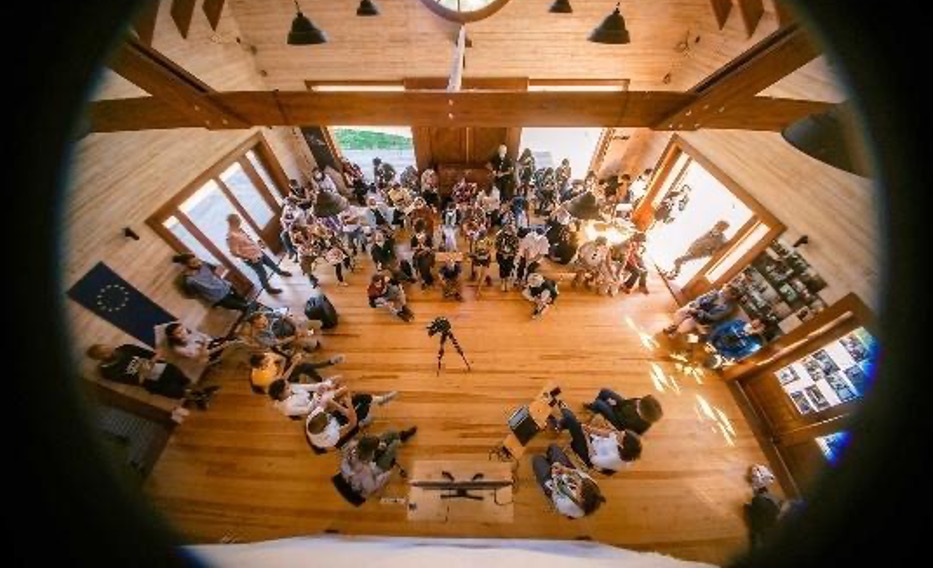


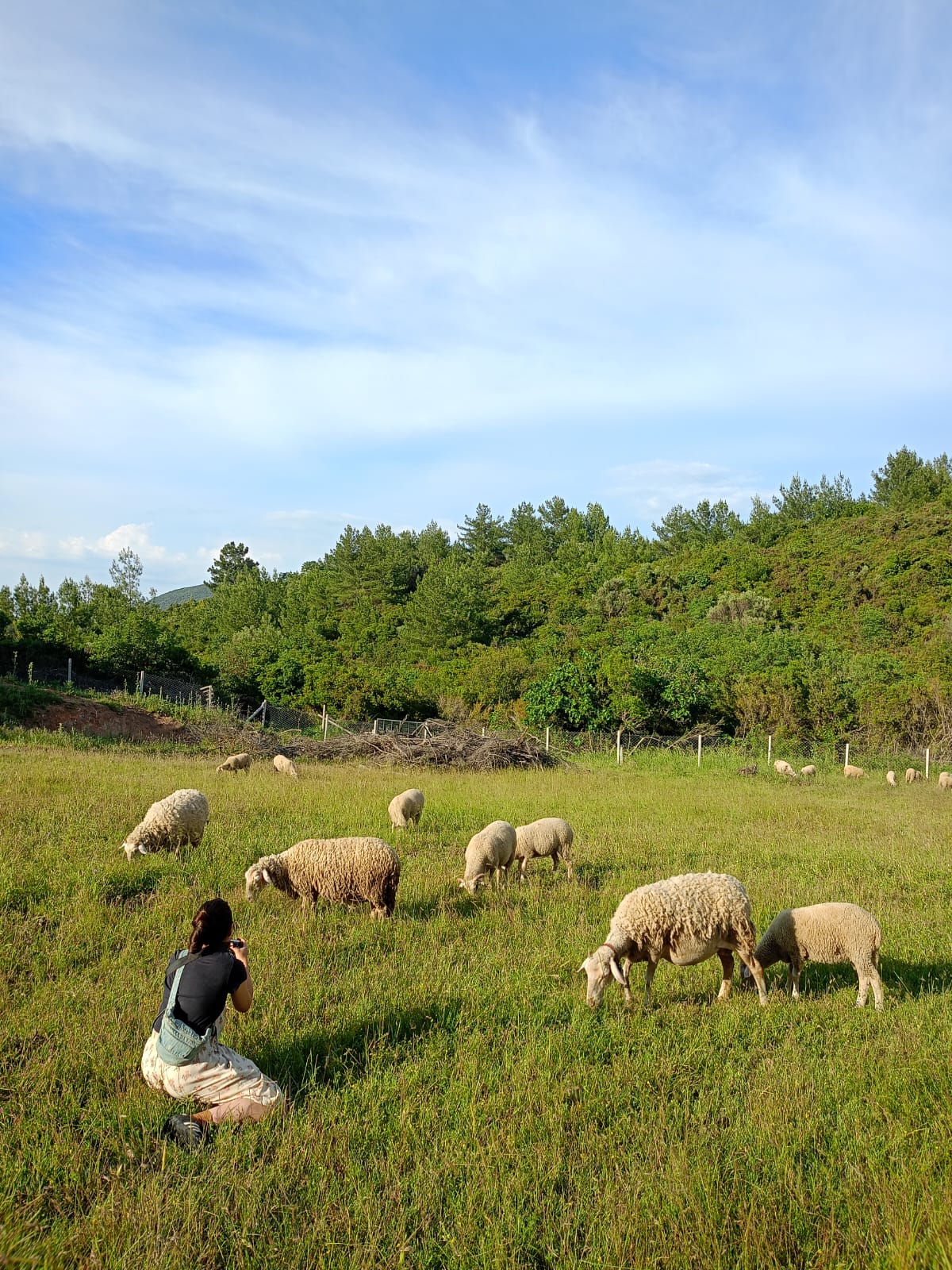
The MATCH Residency at K2 Urla Breathing Zone (K2UBZ), İzmir, brought together artists Maya Aghniadis (Flugen) and Joana Amora for a period of research, fieldwork, and exchange in close relation with the local ecological and cultural context.
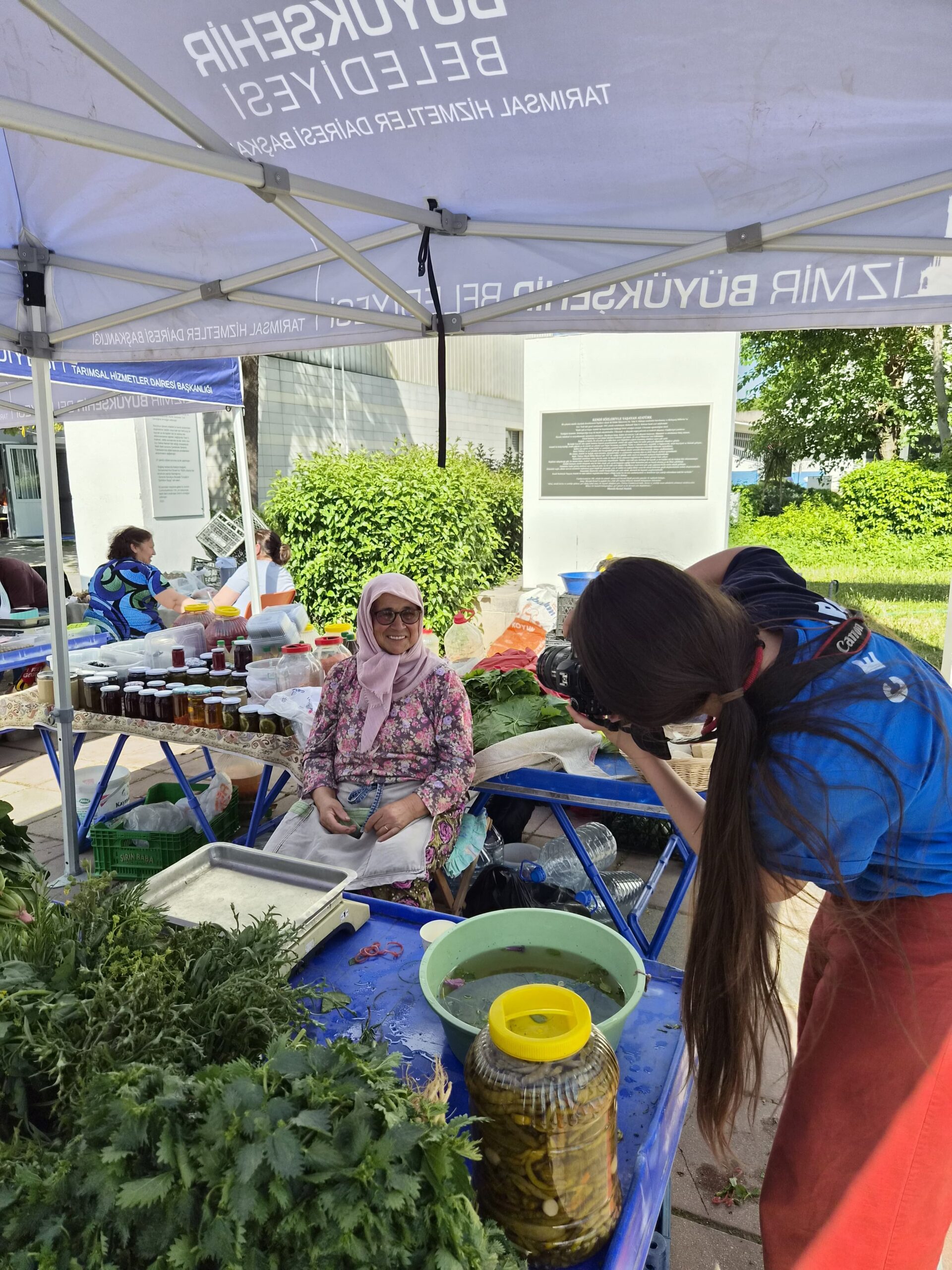
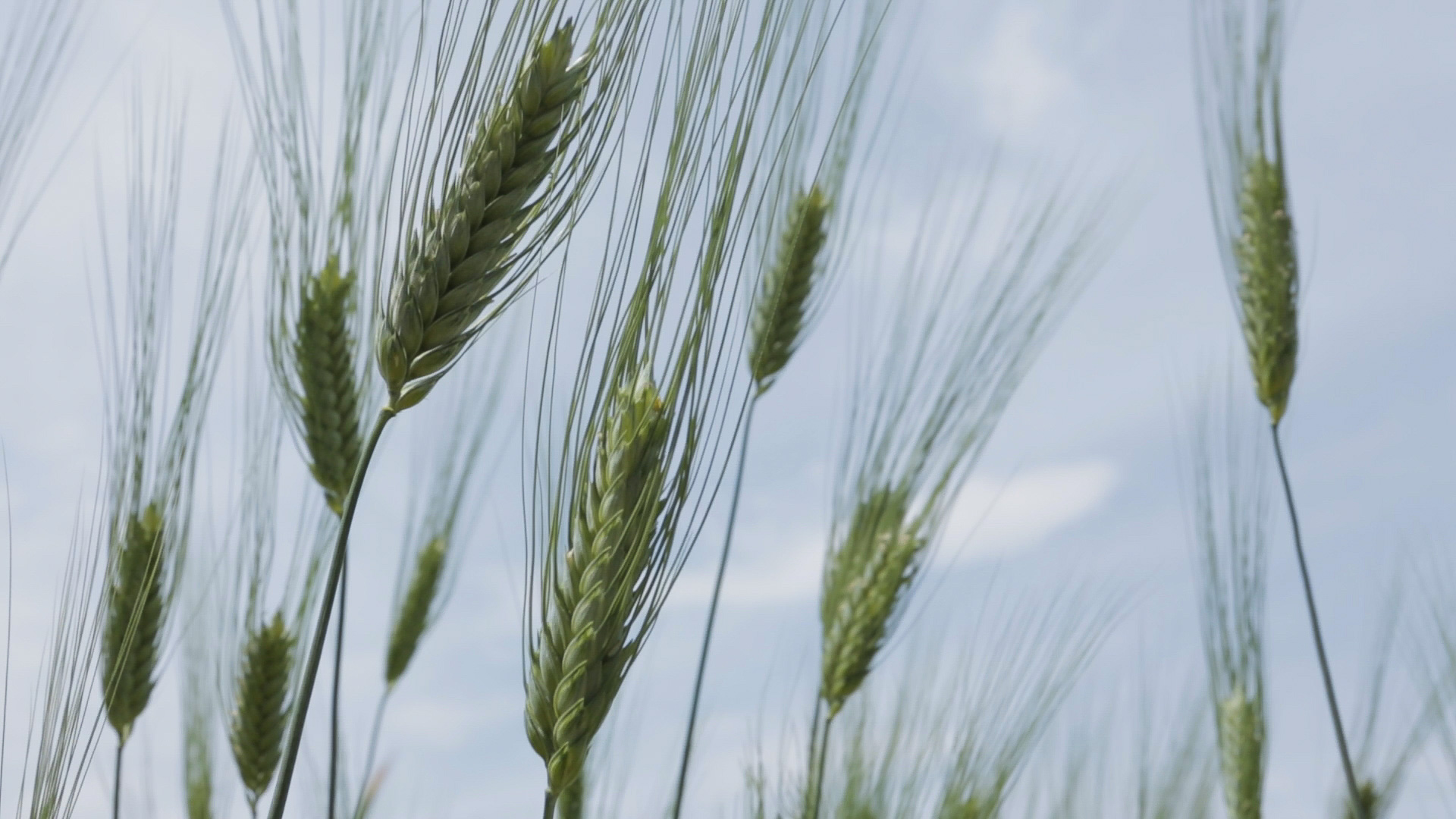
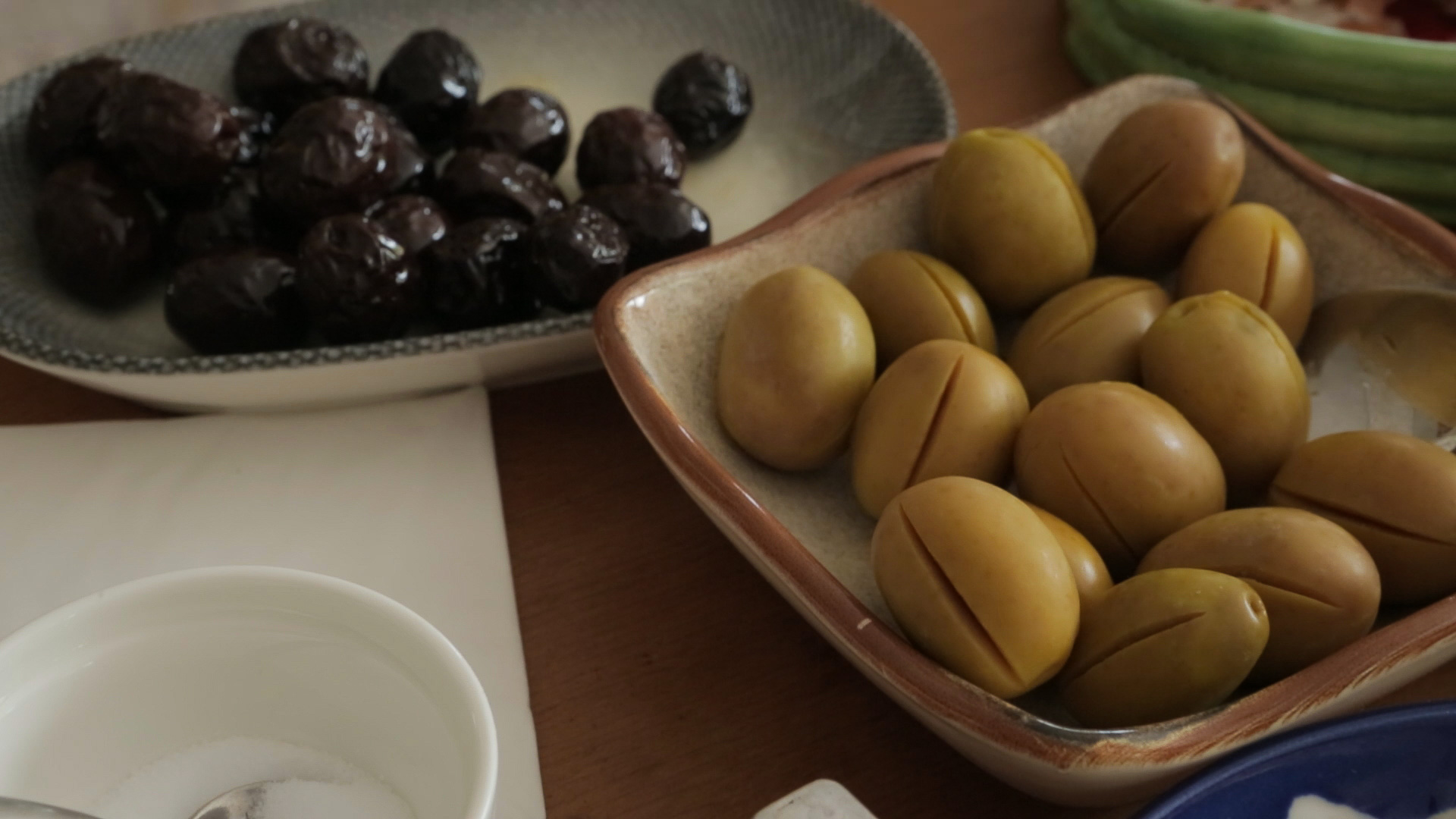
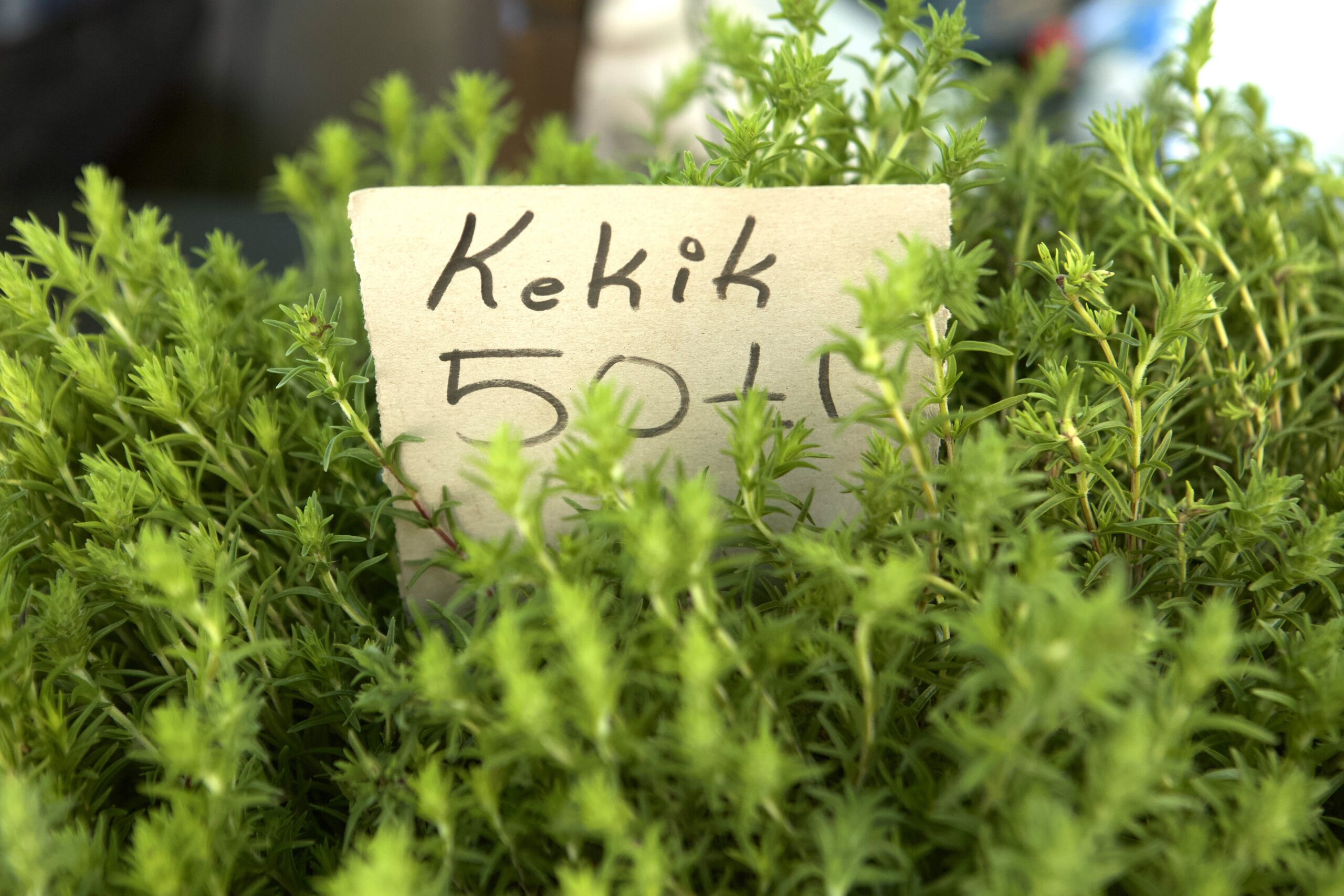
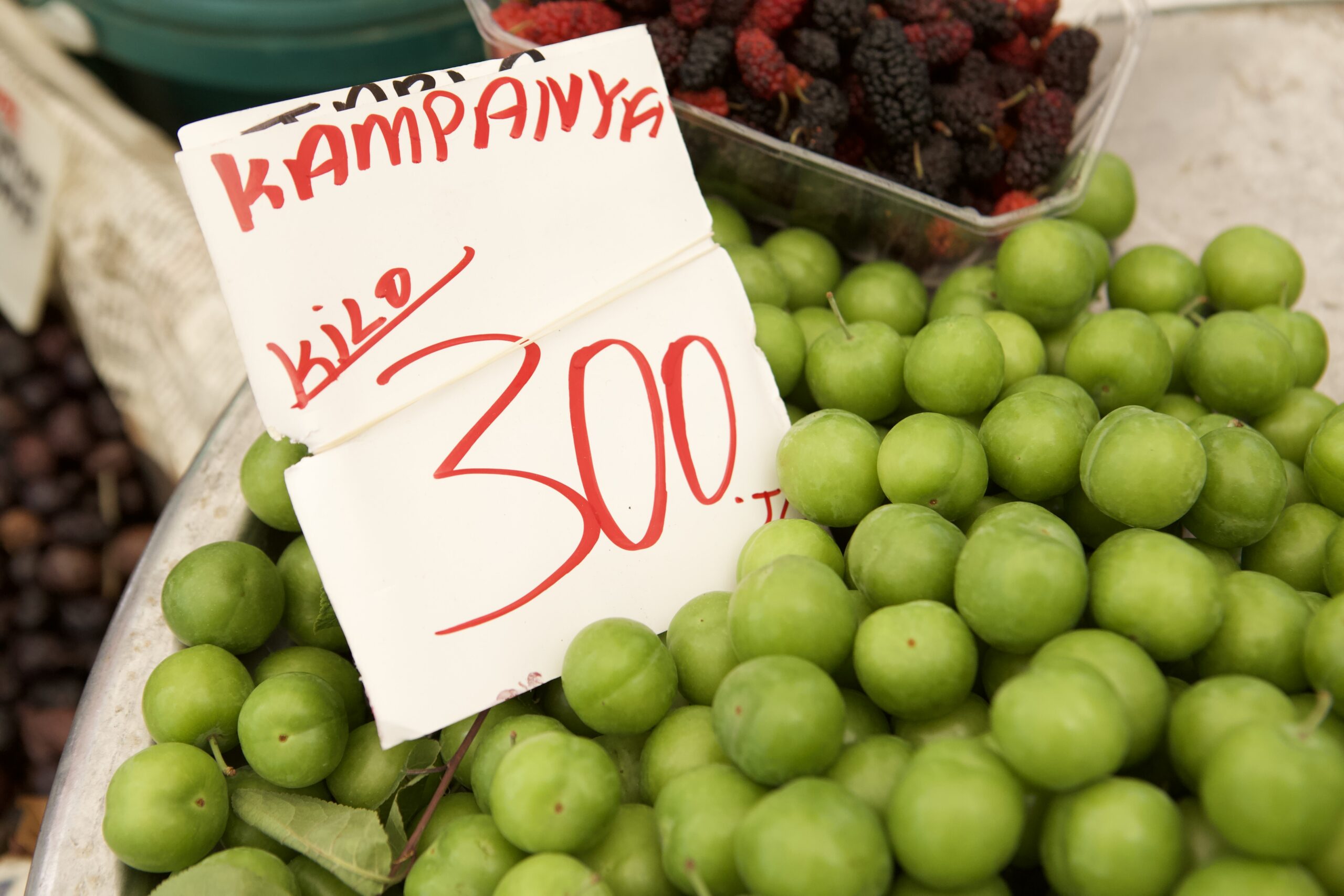
During her residency, Joana Amora investigated the agricultural landscape, endemic species, and food systems of the İzmir region. Through visits to local farmers and producers cultivating olive oil, grapes, artichokes, mulberries, wheat, and other products, she explored how the land is cultivated and how it nourishes communities. Her research also included encounters with local food communities, visits to bazaars, and walks in the forests around K2 Urla Breathing Zone to identify endemic and edible species. She also developed a visual inventory through filming, documenting the local ecological food ecosystem.
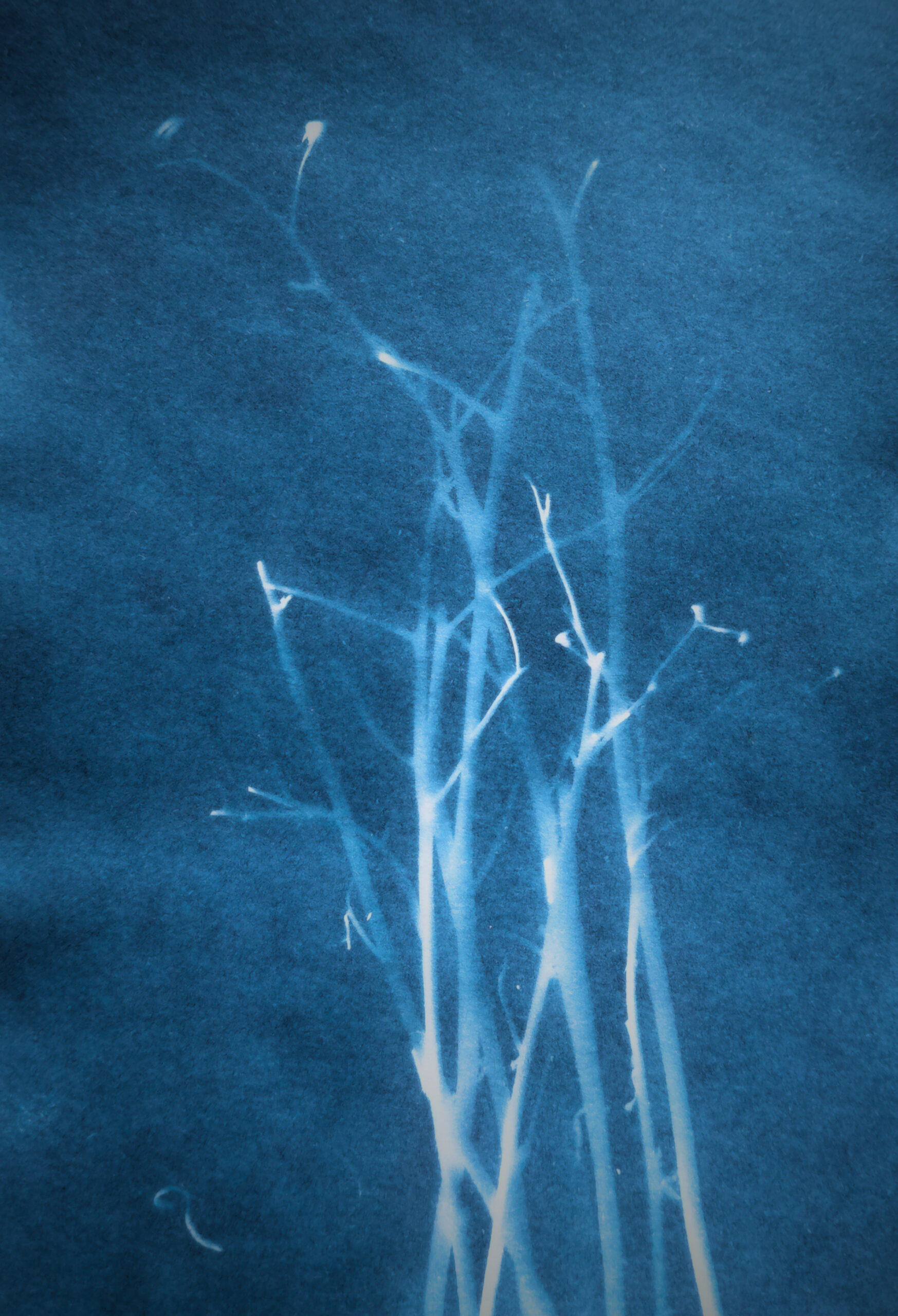
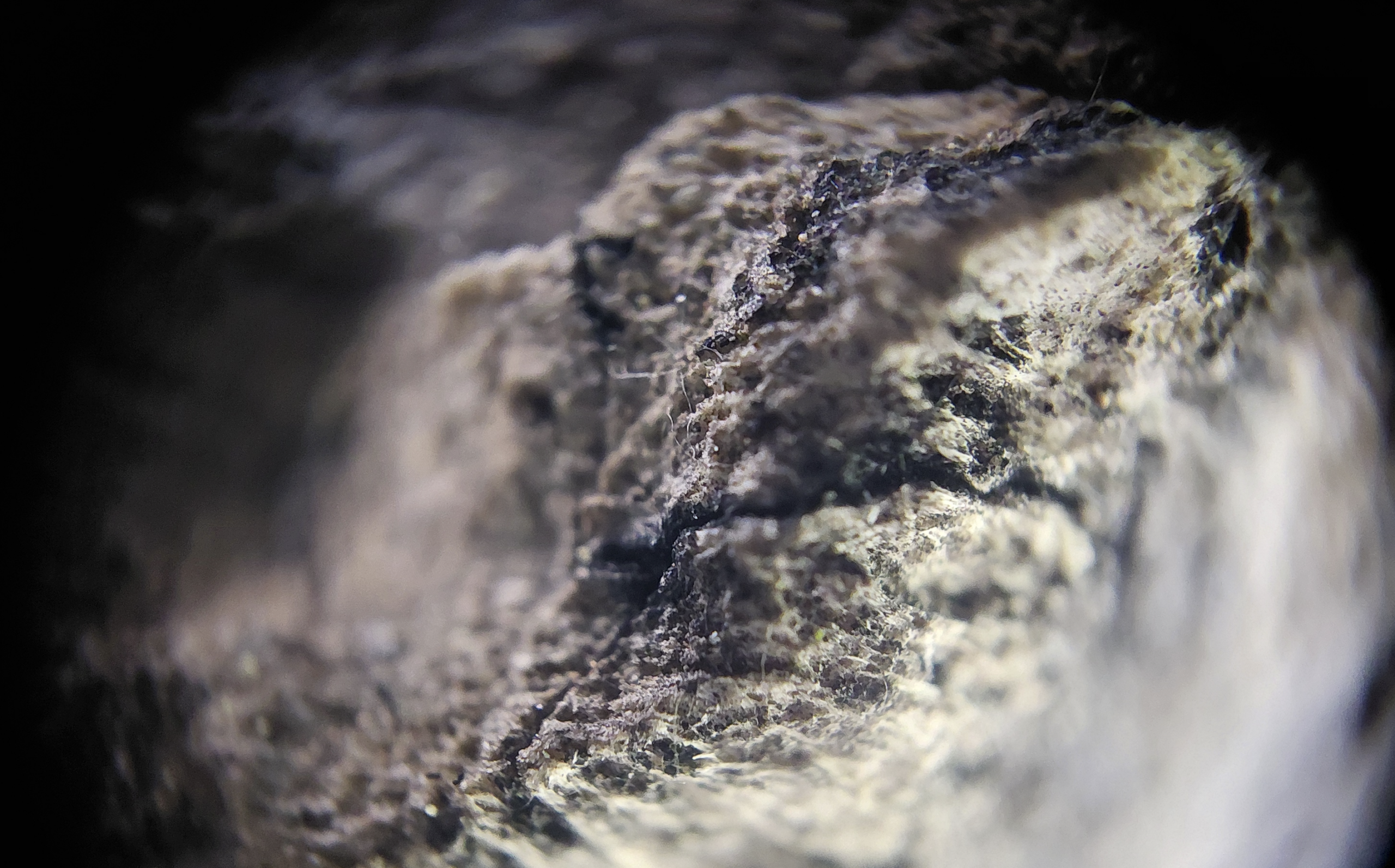
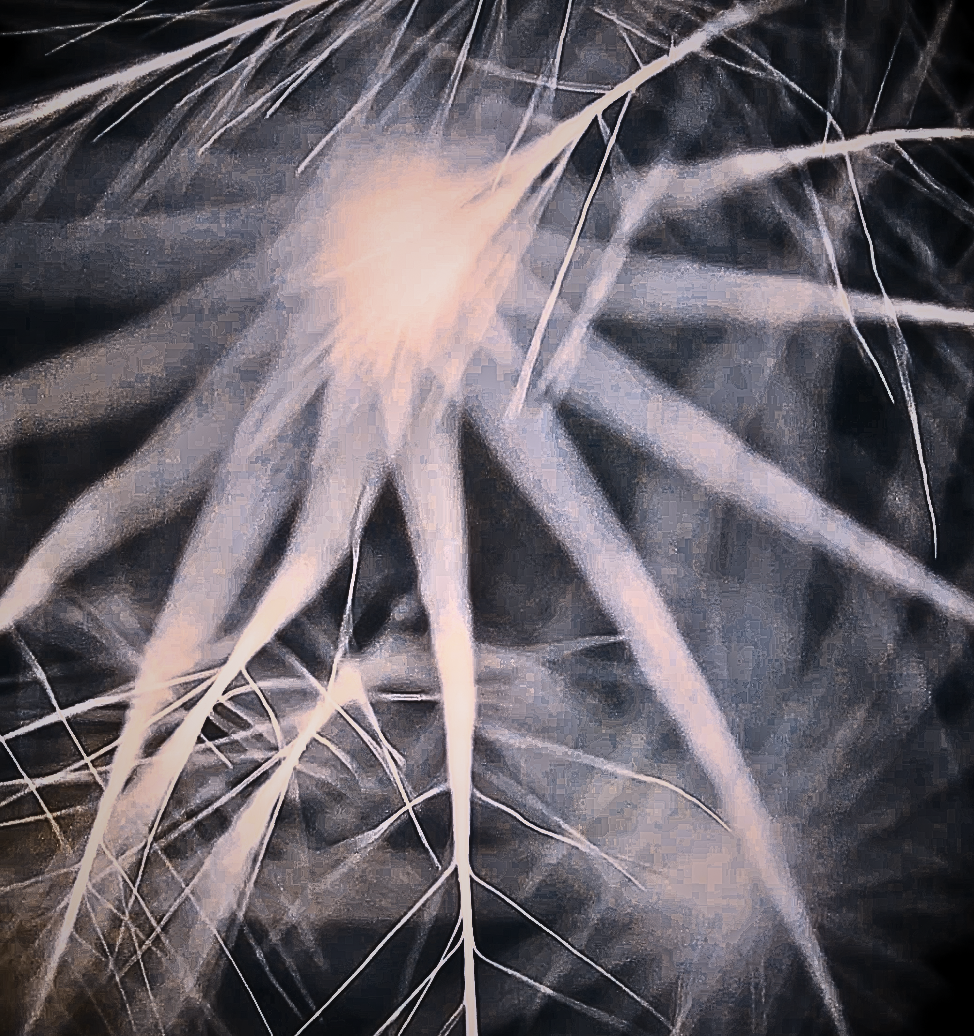
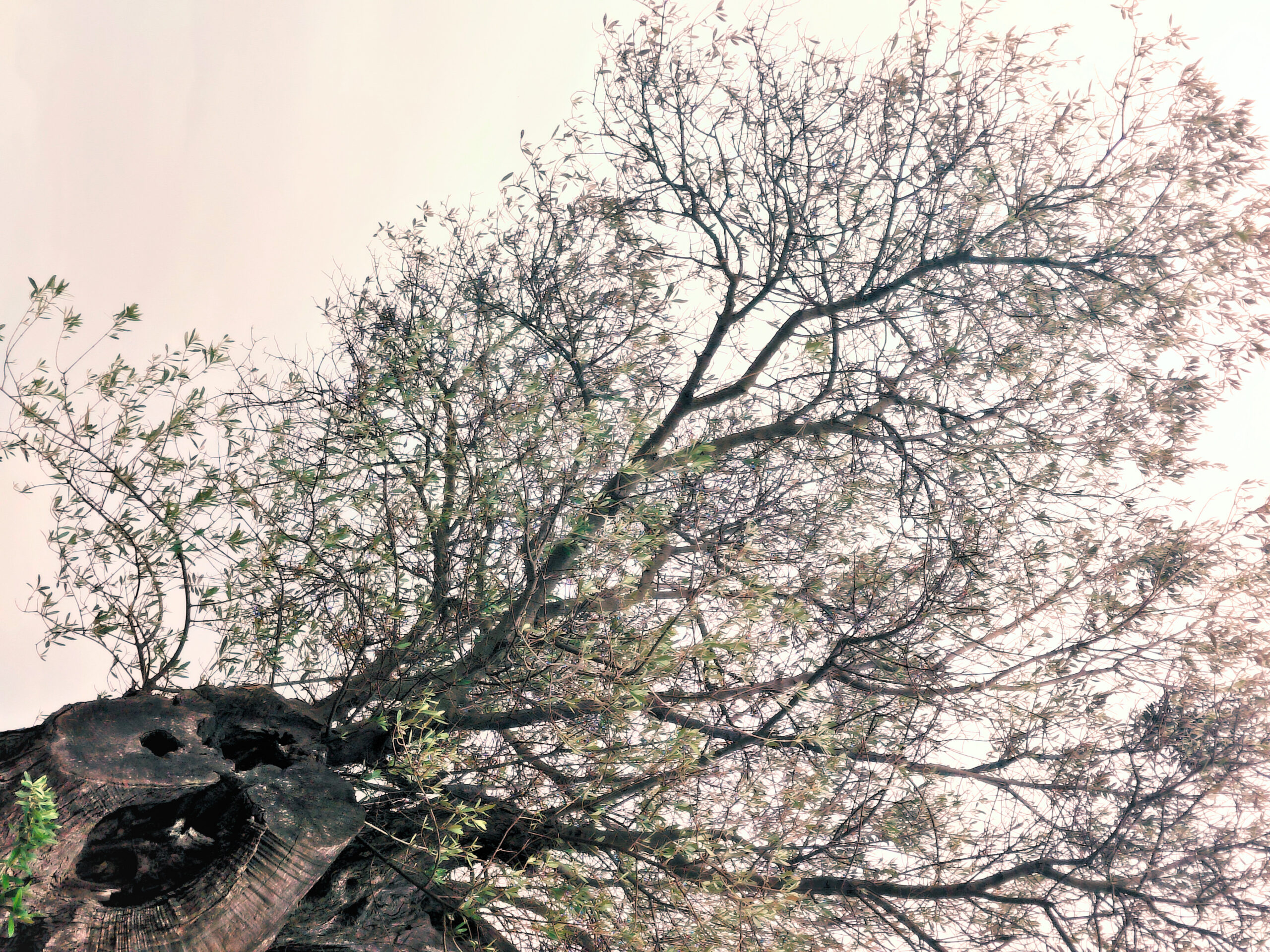
The work of Maya Aghniadis (Flugen) explores the tension between human speed and nature’s time through sound and image. During her stay at K2UBZ, she used a geophone to record olive trees, as well as microscope lenses and a hydrophone to reveal hidden textures and submerged soundscapes. She built a harp and created cyanotypes, while also developing Memoryscapes, a composition dedicated to buried histories and unresolved trauma. The geophone recordings were used as an act of protest and remembrance for olive groves destroyed in Southern Lebanon by Zionist occupation forces.
In her reflection, Maya Aghniadis describes the residency as a space between research and deep listening, extending into memory, loss, and responsibility. Recording 100 olive trees, building a harp, and creating cyanotypes became acts of witnessing, shaped by slowing down and sustained attention, and by encounters with people whose generosity and presence marked her experience.
For Joana Amora, the residency offered continuity to her long-term research on agroecology. Through encounters, conversations, walks, and visits across farms, food communities, ecological markets, and forests, her process unfolded without a fixed plan, allowing her to deepen her engagement with local knowledge and practices.







Flugen’s recorded sounds: